

Spain and England drawn in same World Cup group
Rivals to face Iceland and Ukraine in tough qualifiers
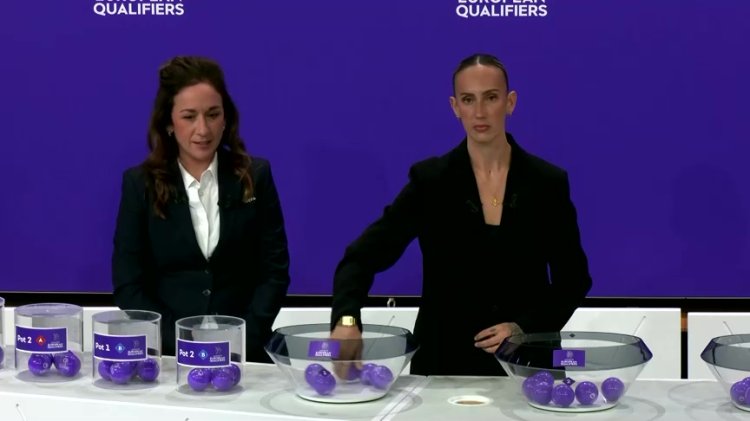
World and European champions Spain and England have been drawn together in Group A3 for the UEFA qualifying phase of the 2027 FIFA Women’s World Cup in Brazil, joined by Iceland and Ukraine. The draw in Nyon also placed Germany with Norway, Austria and Slovenia in Group A4, and France with the Netherlands, Poland and Ireland in Group A2. UEFA has 11 direct berths for the finals plus the possibility of an additional European spot via the intercontinental playoffs. Only the winners of each League A group qualify automatically; other League A teams are guaranteed playoff places, while teams from Leagues B and C can only reach the finals through the playoff route.
The Spain–England pairing renews a recent high-stakes rivalry: Spain beat England 1-0 to claim the 2023 World Cup, and England defeated Spain to retain the European Championship in 2025. Placed alongside Iceland and Ukraine, both powerhouses face a compact qualifying schedule running from March through June 2026 with home-and-away fixtures, meaning early results will be crucial in a tight group where lapses could prove costly. Coaches on both sides described the draw as demanding and motivating, and UEFA labelled Group A3 among the most competitive pools.
Spain and England will meet once in each nation; the first clash is expected in late March 2026, with the return leg in Madrid in early summer. Those fixtures are projected to attract large viewership across Europe as the rivalry continues to elevate the women’s game. For Spain and England, the group presents both risk and opportunity: automatic qualification requires topping the table, while anything less would leave a playoff route as the fallback.
For Iceland and Ukraine, the draw presents a stern challenge and a clear chance to upset expectations. Iceland will lean on defensive organisation and home support in Reykjavik, while Ukraine, rebuilding amid difficult circumstances at home, views the campaign as an opportunity to reignite its programme and national pride. The presence of two elite teams raises the competitive ceiling, but also creates openings for disciplined, well-prepared underdogs to claim vital points.
The qualifying format places a premium on consistency and squad depth across the six-match group phase. With only group winners assured direct passage, every match carries weight: dropped points against perceived weaker opponents could decide the final standings. As preparations begin, national teams will balance competitive intensity with long-term planning, aware that successful navigation of Group A3 would secure direct entry to Brazil, while second place would mean navigating the playoff gauntlet en route to the World Cup.