Sudan’s cholera crisis worsens in war
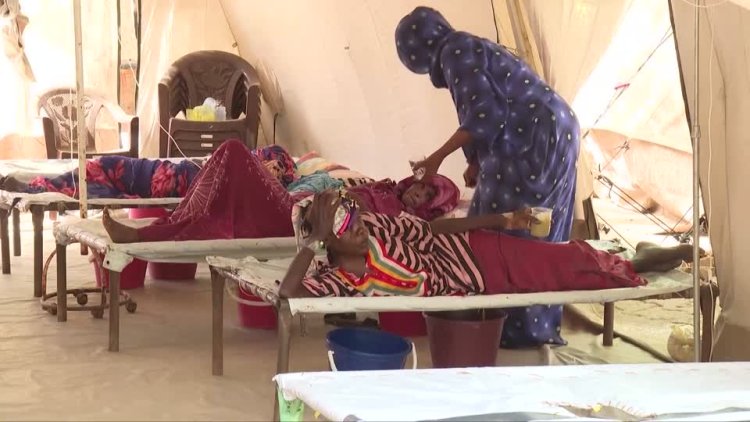
The ongoing conflict in Sudan between the Sudanese Armed Forces (SAF) and the paramilitary Rapid Support Forces (RSF) has severely impacted the country's health system, particularly in combating infectious diseases like cholera. Over the past two years, cholera infections have exceeded 70,000, with the situation exacerbated by widespread hospital closures and a critical shortage of medical supplies. The United Nations Office for the Coordination of Humanitarian Affairs reports that 70 to 80 percent of medical facilities in conflict zones are non-operational, leaving approximately 65 percent of the population without access to basic healthcare.
Since a new wave of cholera outbreaks began in July 2024, the disease has spread to 13 of Sudan's 18 states, resulting in around 74,000 reported cases and over 1,800 deaths, according to the World Health Organization. The conflict has also led to attacks on power stations in Khartoum State, disrupting water and electricity supplies. As a result, residents have resorted to drinking untreated well and river water, further fueling the cholera outbreak.
In response, the Sudanese Ministry of Health initiated a cholera vaccination campaign on June 10, targeting approximately 2.6 million residents in Khartoum State. While the epidemic has been somewhat contained, the impending rainy season poses additional challenges for disease control, as the hot and humid conditions are conducive to bacterial growth and the proliferation of disease vectors. The conflict, which erupted on April 15, 2023, has resulted in tens of thousands of deaths and displaced over 15 million people, leading to what the UN describes as one of the world's worst humanitarian crises, with the country on the brink of famine and a collapsed healthcare system.