Syria resumes oil exports after 14 years
First tanker departs Tartus with 600,000 barrels of crude
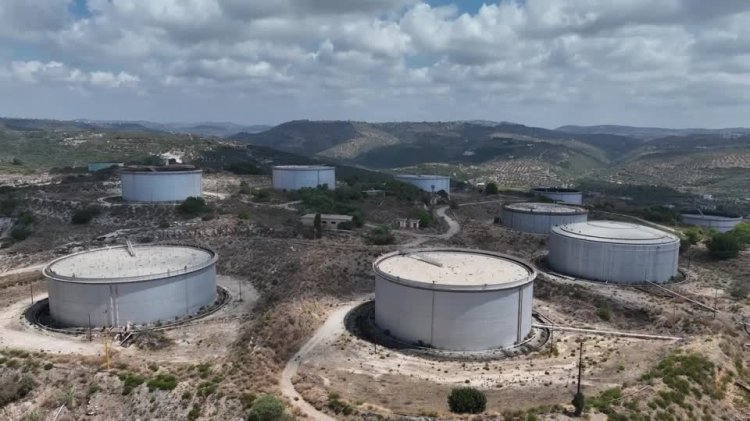
Syria resumed official oil exports with a single tanker shipment of 600,000 barrels of heavy crude from the port of Tartus, marking the country’s first known state export in 14 years. The cargo, loaded aboard the tanker Nissos Christiana, was sold to B Serve Energy, a firm linked to global trader BB Energy, according to Syrian energy officials. Authorities said the oil was drawn from several domestic fields and represented volumes surplus to local needs; officials reported the sale proceeded without difficulty and buyers were readily found.
Before the uprising and civil war, Syria produced roughly 380,000 barrels per day in 2010. Conflict that followed devastated infrastructure, saw oilfields change hands multiple times and curtailed exports, compounded by U.S. and European sanctions that complicated legitimate trade. Most remaining oil reserves are located in the northeast, in areas controlled by Kurdish-led authorities. Those authorities began supplying oil to the central government earlier in the year, but relations have since soured amid disputes over minority rights and political inclusion.
The single shipment comes after a U.S. executive order in June lifted certain American sanctions on Syrian energy activity, enabling U.S.-based firms to plan exploration and extraction projects. Separately, Damascus has sought foreign investment to rebuild trade infrastructure, signing an $800 million memorandum of understanding with DP World to develop a multipurpose terminal at Tartus after canceling a prior Russian port contract.
Officials framed the export as an initial step toward reviving Syria’s energy trade, but analysts note the gap between this symbolic shipment and pre-war production levels remains large. Political fragmentation, contested territorial control of oilfields, lingering international sanctions and commercial risk continue to limit rapid recovery. The transaction signals improved market access for Syrian crude but underscores that rebuilding production, establishing stable revenue streams and resolving disputes with northeastern authorities will be long-term challenges for any administration attempting to restore Syria’s oil sector.