

Syria's underground war museum opens
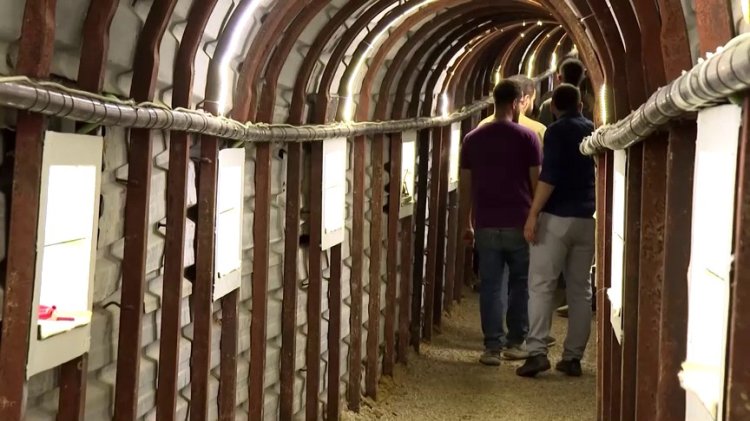
A unique underground museum has opened in Syria's Eastern Ghouta, offering a poignant look into the civil war's devastating impact. Eastern Ghouta, a densely populated area, became one of the most besieged regions. Located beneath Kafr Batna Hospital, it occupies a kilometer-long tunnel. This passage served as a vital lifeline for medical teams and patients during the over five-year siege, which saw relentless bombardment, for transporting casualties and supplies. The siege cut off essential routes for food, medicine, and aid, exacerbating the suffering of 400,000 residents. The tunnel was critical for evacuating the wounded and moving scarce resources under constant threat. Medical facilities faced systematic targeting, forcing operations underground into basements, caves, or purpose-built tunnels. This strategy aimed to cripple civilian infrastructure and break the will of the population. Healthcare providers created elaborate subterranean networks to continue essential services. The tunnel at Kafr Batna Hospital connected various medical points, including a "cave hospital" and a cemetery, allowing critical patient transfers and resource movement. These connections ensured continuity of care, enabling safe passage of injured civilians and discreet movement of medical equipment and pharmaceuticals, often smuggled in at great risk. The museum displays dozens of medical devices and photographs, many makeshift or improvised, reflecting extreme shortages and desperate measures by healthcare workers. Visitors can observe modified everyday objects repurposed for medical procedures, alongside photographic evidence documenting severe conditions and the ingenuity employed in emergency surgeries. Accounts describe doctors sterilizing and reusing basic surgical instruments multiple times. The scarcity of disposables, antibiotics, and clean water meant infection control was a constant battle. The exhibits preserve the grim reality of life under siege and document the resilience of the local population. This initiative educates future generations about the conflict's experiences and efforts to provide care amid unprecedented challenges. The museum stands as a testament to human endurance and ingenuity in the face of adversity.