Tanzania appoints Nchemba as new prime minister
The president’s pick signals policy continuity amid post-election unrest
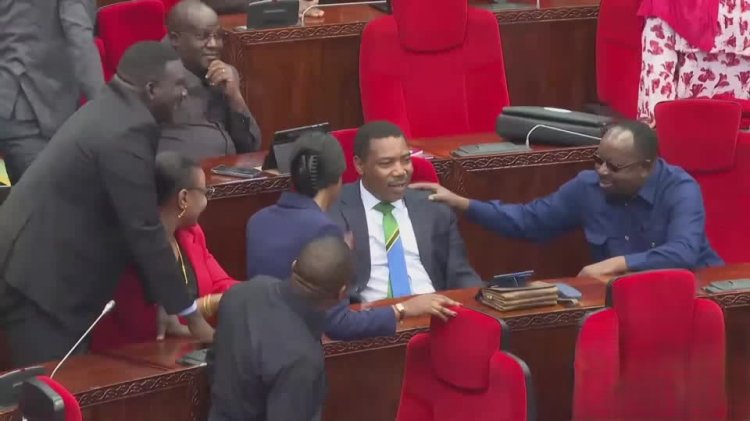
Tanzania’s president has named former finance minister Mwigulu Nchemba as prime minister, and parliament swiftly confirmed the appointment under the ruling party’s commanding majority. Nchemba, a long-serving Chama Cha Mapinduzi (CCM) member and economist who has represented Iramba West since 2010 and held multiple ministerial roles, replaces Kassim Majaliwa. The selection is widely interpreted as a signal of continuity in economic policy and a focus on fiscal stability as Tanzania faces mounting public debt, slowing growth and pressure to expand jobs for a young population.
The move follows a disputed presidential election that provoked widespread criticism and unrest. Opposition parties and activists accused the government of rigging the vote and excluding key challengers, leading to large-scale protests that were met with heavy security responses. The U.N. Human Rights Office reported it believes hundreds died in the post-election unrest; opposition leaders and some activists claim the toll surpasses 1,000, while the government has rejected those figures as exaggerated and has not released its own casualty count. International observers, including the African Union, flagged credibility concerns and documented irregularities such as ballot-box stuffing.
President Samia Suluhu Hassan secured a landslide victory in the contested poll and has defended both her human rights record and the integrity of the election. Critics warn that appointing a trusted party loyalist to the premiership may entrench the ruling party’s dominance and reduce the likelihood of swift political reform. Rights groups and opposition figures have called for independent investigations into the violence and greater political openness to ease tensions and restore public trust.
Analysts say Nchemba’s economic credentials suggest the administration will prioritise measures aimed at stabilising public finances and promoting growth, including potential fiscal adjustments and policies to stimulate job creation. However, his success will depend on balancing those economic priorities with mounting demands for accountability and transparent governance. Observers will watch closely whether the new government pursues substantive political reforms, cooperates with international human rights inquiries, and addresses grievances that fueled the unrest; failure to do so could deepen domestic political divides and affect Tanzania’s international standing.