Red Cross aids hostage recovery in Gaza
Teams join Hamas in Shujayea to retrieve Israeli remains under truce

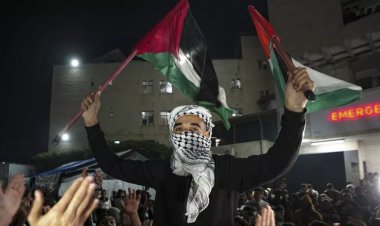
International Red Cross teams accompanied Hamas personnel into the heavily damaged Shujayea neighbourhood of Gaza City to search for the remains of Israeli hostages, operating under terms of the October ceasefire that called for parties to recover and exchange bodies. ICRC vehicles entered areas beyond the so‑called “yellow line,” a withdrawal boundary marked by Israeli forces with large yellow cement blocks; witnesses reported Hamas fighters, bulldozers and heavy machinery in the streets as teams moved cautiously amid rubble, collapsed buildings and unexploded ordnance.
Hamas has handed over the last 20 living hostages and the remains of 24 deceased captives since the truce began; remains of four additional hostages are reported still inside Gaza. The Red Cross emphasised its neutral humanitarian role, serving as an intermediary during searches and transfers without taking part in political or military activity. Israeli officials said remains already recovered with ICRC assistance have been transferred to Israel for identification, while search efforts continue to locate others believed killed in the fighting.
The recovery work is being conducted in extraordinarily hazardous conditions. Observers describe flattened residential blocks, flooded or sealed underground spaces and widespread debris that complicate access and raise the likelihood that bodies remain entombed beneath wreckage. Search teams have advanced slowly through streets strewn with detritus and ordnance, balancing urgency with safety concerns. Hamas has publicly stated it is widening search areas and cooperating with mediators; Egypt and international agencies are closely monitoring progress to ensure procedures are followed and to expedite identification and return.
The operation unfolds amid broader arrangements tied to the ceasefire plan, which foresees further Israeli withdrawal from areas inside the yellow line, establishment of a transitional authority to govern Gaza, deployment of a multinational security force to replace Israeli troops, the disarmament of Hamas and the start of reconstruction. Recovery of remains and exchanges are treated as a central, humanitarian pillar of the fragile truce; officials on both sides caution that any disruption to the process could undermine broader negotiations.
Families on both sides remain focused on the outcome of the searches, which carry deep emotional and legal significance. For Israelis seeking closure, identification of remains is a step toward burying loved ones and resolving outstanding cases of missing persons.