Thousands flee El Fasher amid clashes
Fighting between rival forces drives mass displacement

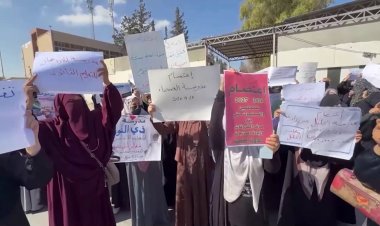
Thousands have fled El Fasher, the capital of North Darfur, after escalating clashes between the Sudanese Armed Forces (SAF) and the Rapid Support Forces (RSF), which have recently seized a string of strategic towns including El Fasher and Bara in North Kordofan. The International Organization for Migration reports nearly 71,000 people have left El Fasher and surrounding areas since the city fell, with the majority moving to overcrowded camps and host communities in Tawila, roughly 40 kilometers away. Survivors say they endured terrifying journeys through checkpoints and patrols controlled by RSF fighters and describe widespread abuses — mass executions, torture, beatings and sexual violence — along displacement routes.
Displaced residents recount scenes of destruction and loss: bodies left unburied on roadsides, families ripped apart by shelling, and bandits on motorcycles and camels preying on those attempting to flee. One woman said her son, a soldier, was killed and another severely wounded; others described daily random shelling that kills dozens. Tawila has seen its population surge as the flow of people seeking safety has intensified. United Nations figures indicate the number of internally displaced persons (IDPs) in the area nearly tripled from roughly 230,000 in March to over 650,000 by September, stretching local resources to breaking point and leaving host communities struggling to provide adequate food, medicine and shelter.
Aid workers warn that humanitarian access is severely constrained by ongoing fighting across Darfur, Kordofan and Blue Nile states, complicating efforts to deliver life-saving assistance. Medical services are overwhelmed, and reports from displaced people and relief agencies point to rising deaths from hunger, malaria and anemia as supplies dwindle and health systems collapse. Many displaced families have also moved north to the al-Dabbah camp in Northern State, and thousands more are expected to arrive as violence continues.
The wider conflict, which erupted in April 2023, has devastated infrastructure nationwide, killed tens of thousands and displaced millions, plunging Sudan into a protracted humanitarian emergency. Humanitarian agencies say their operations are hampered not only by active hostilities but also by bureaucratic obstacles and severe funding shortfalls. With winter conditions approaching in some parts and with limited safe-access corridors, aid organizations warn that without a major surge in assistance and unhindered access, displaced civilians face escalating risks from disease, exposure and food insecurity.