

UN extends Afghanistan mission briefly
Council seeks review amid Taliban tensions
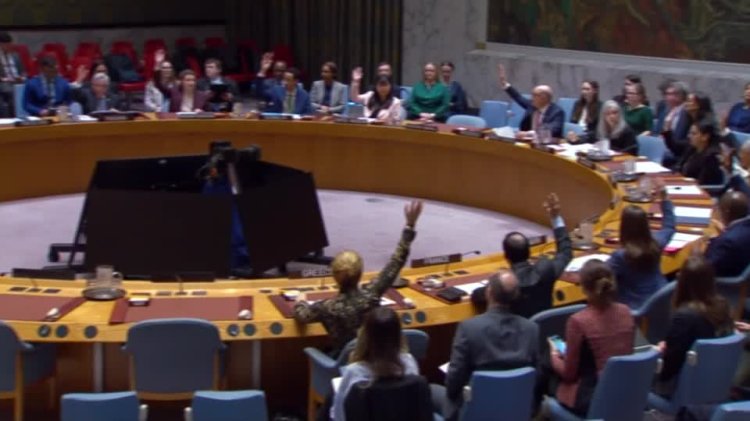
The U.N. Security Council approved a short, three-month extension of the mandate for the U.N. Assistance Mission in Afghanistan (UNAMA) after members sought time to review the mission’s role amid deteriorating conditions and strained relations with the Taliban. The temporary renewal departs from the usual yearlong mandate and follows U.S. calls for a reassessment of engagement and funding for the mission.
China, which drafted the resolution, said the truncated extension reflected some members’ desire to consider adjustments to UNAMA’s remit and to allow “serious discussions” before adopting a longer-term decision. Washington had urged closer scrutiny of UNAMA’s sizable budget and its work amid what the U.S. described as Taliban obstruction, the detaining of foreign nationals described as “hostage diplomacy,” and harsh restrictions on women’s rights. Diplomats said the U.S. refused to accept a one-year renewal and insisted on a three-month technical rollover to enable a policy review.
UNAMA, created in 2002 to coordinate international assistance and political engagement, remains central to humanitarian coordination and diplomatic channels with Kabul. Officials warned, however, that Afghanistan faces one of the world’s most severe humanitarian crises: U.N. appeals aim to assist 17.5 million people in 2026 with a $1.71 billion plan that is only about 10% funded. The World Food Programme reports more than 17 million Afghans face acute food shortages, including nearly 4.7 million at emergency levels.
The truncated mandate highlights divisions within the Security Council over how to balance continued humanitarian engagement with political pressure on the Taliban. Some members favor sustained cooperation to prevent further collapse and instability; others demand stricter conditions tied to human rights and governance improvements. The decision leaves UNAMA’s future uncertain while giving the Council a window to weigh whether and how the mission should be reconfigured in response to operational constraints, funding concerns and evolving priorities on human rights and assistance delivery.