

Trump and Carney meet amid trade tensions
Leaders discuss tariffs and future of North American trade
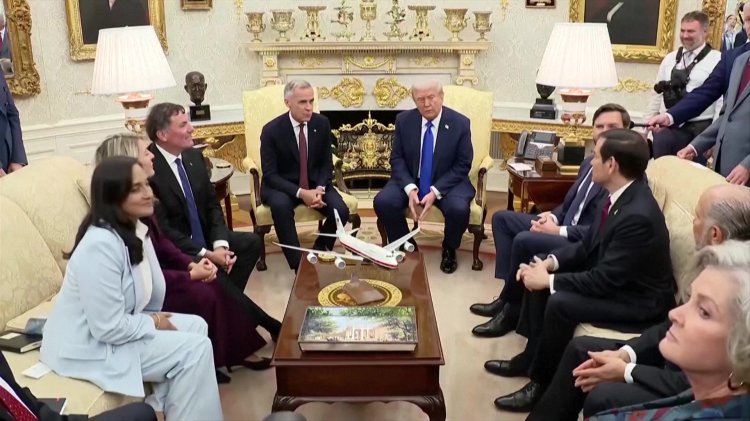
U.S. President Donald Trump hosted Canadian Prime Minister Mark Carney at the White House amid mounting trade tensions as U.S. tariffs on steel, autos and other goods continue to strain Canada’s economy. The visit—Carney’s second in months—comes after Ottawa made concessions including dropping certain counter-tariffs and cancelling a planned digital services tax on U.S. tech firms. Trump said he would seek “trade fairness” for Canada but signaled openness to renegotiating the United States–Mexico–Canada Agreement (USMCA) or pursuing separate deals, while stressing competing national economic interests.
Officials said talks focused on tariffs’ economic impact and preparations for the USMCA review next year. Canada exports the vast majority of its goods to the United States, leaving its steel, aluminium and auto sectors particularly exposed to Washington’s measures. Trump described a “natural conflict” between the countries over industries such as autos and steel, saying both sides want the same business; Carney emphasized areas of cooperation and urged solutions that protect open, rules-based trade.
Accounts of the meeting showed differing emphases: Trump praised Carney as a strong negotiator and suggested Canada would be treated fairly, while Canadian officials and analysts cautioned that a comprehensive trade deal was unlikely immediately and framed ongoing dialogue itself as a modest success. Political gestures in Canada included boycotts of U.S. alcohol by some retailers and reduced travel to the U.S. by some citizens, reflecting public frustration.
Both governments signalled intent to continue discussions: Canadian officials described the meeting as constructive, and the leaders reportedly agreed to explore mechanisms to review tariff impacts. Analysts noted domestic divisions within the U.S. administration between protectionist impulses and those favoring deeper North American integration to bolster competitiveness. Financial markets showed limited positive reaction, with the Canadian dollar gaining briefly on optimism but retreating amid uncertainty.
The encounter highlighted broader concerns about enforcement of trade rules, the vulnerability of supply chains, and the political costs of tariffs for affected industries and communities. Governments pledged further talks and possible joint work to mitigate damage before the formal USMCA review, while observers said concrete relief for Canadian exporters would depend on substantive policy shifts rather than public assurances.