Tunisia battles severe drought and water crisis
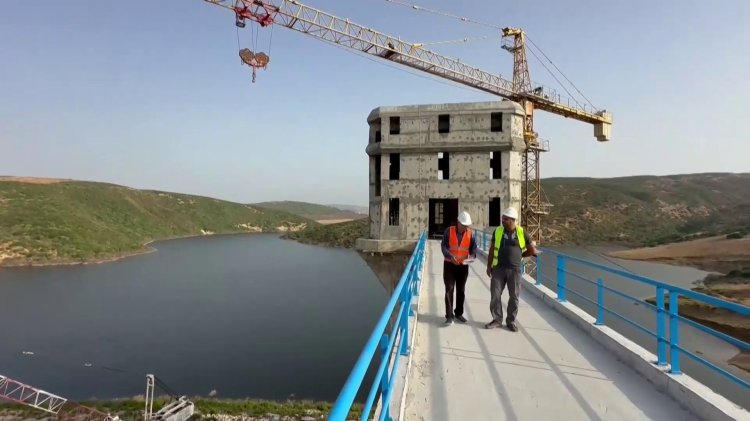
Tunisia faces a critical water crisis from its fifth consecutive year of severe drought, severely depleting its natural water resources. Dam water reserves plummeted significantly by 2024, compelling stringent conservation measures. Since March 2023, water rationing, extended in October, mandates daily nighttime cut-offs, typically lasting several hours, in urban centers. Potable water banned for irrigation, public green spaces, and vehicle washing. Violations incur significant fines and prison sentences. Aging water infrastructure exacerbates the crisis; an estimated 30% of supply lost through leakages due to dilapidated pipes. Over 2,100 unannounced water cut-offs in 2024 fueled public unrest and protests. Tunisia accelerates water management and infrastructure modernization via its "Eau 2050" strategy, aiming to secure water by 2050. Investments target new desalination plants; the Sfax facility began production in August 2024, targeting 100,000 cubic meters daily to meet critical urban demand. Other plants on Djerba and Zarat are expanding, as Tunisia aims to increase desalinated water's share from 6% to 30% by 2030, diversifying its water portfolio. The World Bank supports projects to enhance potable water services, rehabilitate networks, including smart meters, and improve overall water governance. The drought severely impacts agriculture, which uses 80% of water, leading to diminished crop yields and increased imports, particularly for essential foodstuffs. Wheat production fell by nearly two-thirds between 2022 and 2023, exacerbating food security concerns.