Tunisia's Grombalia begins grape harvest
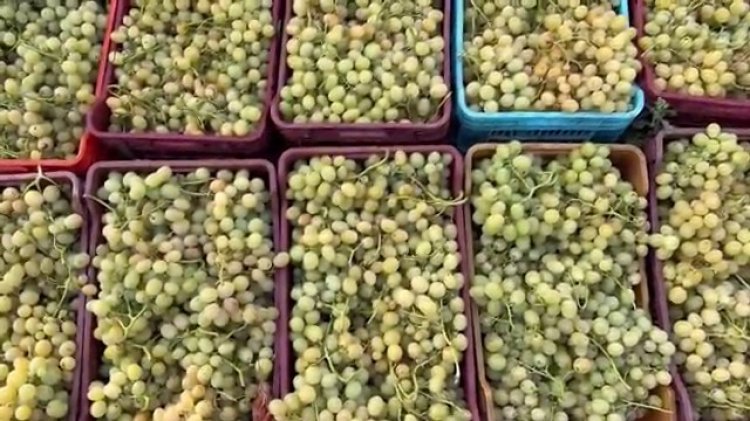
Tunisia has commenced its annual grape harvest in Grombalia, Cap Bon. This marks a crucial period for the nation's viticulture sector, deeply rooted in its history. The Phoenicians first introduced winemaking around 800 BCE with the founding of Carthage. Their expertise was notable, with Mago authoring an early guide to viticulture. The tradition continued under Roman rule and was reinvigorated during the French colonial era. Tunisia's Mediterranean climate provides ideal conditions for grape cultivation, particularly in Cap Bon. The region's vineyards are predominantly planted with French grape varieties. Key red grapes include Carignan, Cinsaut, and Syrah. White varieties feature Chardonnay and Muscat of Alexandria, with Muscat de Kelibia being a celebrated local white wine. Viticulture is economically important for Tunisia, ranking as the third most significant agricultural sector. The country produces 30 to 40 million liters of wine annually from 10,000 to 14,000 hectares. Rosé wines, a national specialty, constitute 65 to 75 percent of production. The industry contributes significantly to the national economy through domestic consumption and exports, primarily to European markets, Russia, and the US. In Nabeul governorate, where Grombalia is, the wine sector supports 3,000 producers. Grombalia accounts for 45 percent of Tunisia's national grape production. Despite past challenges, efforts and foreign investments are fostering its revival, exploring wine tourism to enhance its global presence and economic contribution. The ongoing harvest underscores the resilience and legacy of Tunisia's winemaking heritage.