Kashmir protests electricity tariff hike
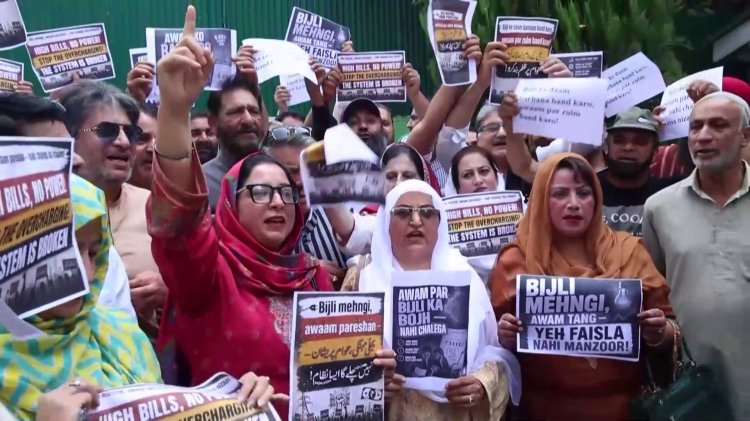
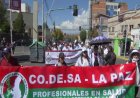
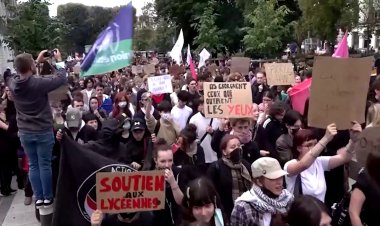
Electricity tariff hikes have sparked protests across Jammu and Kashmir. The Joint Electricity Regulatory Commission approved an average 6.83% hike, effective September 1. The move drew widespread condemnation from political parties and consumer groups, citing financial burden. Opposition parties demonstrated in Srinagar, demanding a rollback. Protesters cited a government promise of 200 units of free electricity. Chief Minister Omar Abdullah defended the hike as a "compulsion," citing rising power purchase and operational costs from inflation, noting the government still heavily subsidizes electricity. The Commission detailed the non-uniform hike. For metered domestic consumers, energy charges up to 200 units per month will rise from ₹2.30 to ₹2.45 per unit, and fixed charges will increase from ₹8 to ₹10 per kilowatt per month. Without government intervention, the tariff increase could have been considerably higher, potentially 40 percent. The government committed a subsidy of approximately Rs 2,420.78 crore to absorb a substantial deficit. Critics argue the timing is challenging for households with high living costs and power supply issues, urging relief over financial strain. The protests underscore growing public dissatisfaction. The revised tariffs will remain in force until March 31, 2027. Opposition parties vowed to continue agitation, demanding immediate withdrawal. The government, acknowledging concerns, maintains the measure is critical for the power sector's financial viability and stability.