U.S. and Panama hold joint jungle drills
Forces train near Colón to boost readiness and regional security
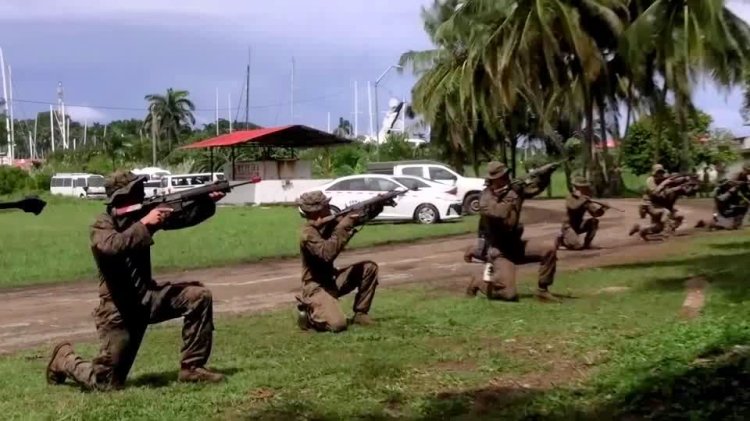
Panamanian police and U.S. military personnel conducted joint jungle survival and multi-domain training at the former Fort Sherman near Colón, using dense tropical terrain and derelict structures to practice survival techniques, tracking, tactical maneuvers, river crossings, helicopter fast‑rope insertions, maritime embarkation drills and rescue-and-evacuation simulations. The exercises, part of a broader PANAMAX‑Alpha 2025 series, involved Panamanian units from SENAN, SENAFRONT and the national police alongside U.S. teams, and were presented as efforts to boost interoperability, mutual trust and preparedness for transnational threats, natural disasters and protection of critical infrastructure, including the Panama Canal.
U.S. Southern Command framed the operations as strengthening partner-nation capabilities and regional situational awareness in a strategically vital transit area. Panamanian authorities emphasized that the activities do not establish permanent foreign bases and that national sovereignty is preserved; a 2025 memorandum of understanding allows rotational U.S. access to Panamanian-controlled training sites while explicitly forbidding foreign military installations.
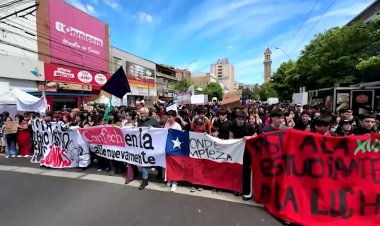
The training coincided with an uptick in U.S. counter‑drug operations in the region, including the first Pacific operation under the current U.S. administration’s offensive, which has prompted multiple strikes in the Caribbean and heightened tensions with Venezuela and Colombia. That context, together with increased U.S. presence, has drawn protests and criticism from opposition groups concerned about erosion of Panama’s neutrality and foreign influence. Government officials and exercise commanders argued the partnership enhances national security and regional stability.
Organizers said the drills are intended to build interoperable tactics and rapid-response capabilities for threats that can cross borders—smuggling, trafficking, infrastructure attacks—and to strengthen readiness for humanitarian responses as winter and disaster seasons approach. Planners indicated similar joint exercises will continue through the year to consolidate cooperative practices and maintain readiness in challenging jungle and littoral environments.