U.S. marks 250th anniversary with light show
Washington Monument launch opens year of nationwide commemorations
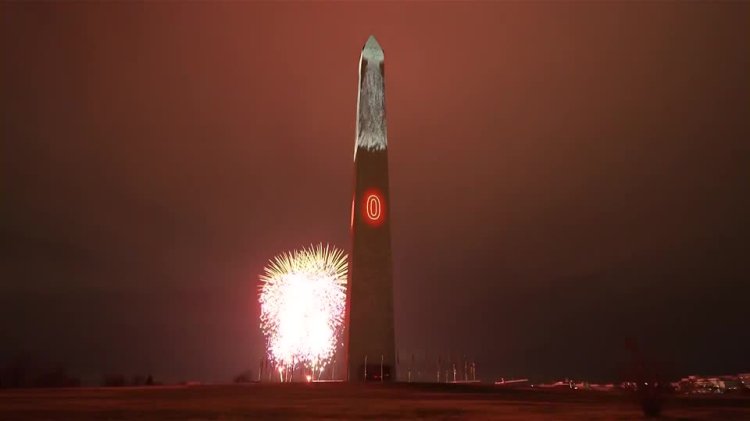
A six-night light show on the Washington Monument launched nationwide events marking the United States’ 250th anniversary, beginning a year-long program of commemorations. The monument was bathed in projections depicting major chapters of American history—from early continental encounters and the War of Independence to the Industrial Revolution and 20th-century milestones—while a countdown timer and fireworks ushered in the new year. Federal and city officials, veterans, students and visitors gathered on the National Mall under heightened security; the ceremony proceeded peacefully as onlookers photographed the display.
Organizers said the illumination intentionally links the founding in 1776 with contemporary challenges and future ambitions, framing the semiquincentennial as an occasion for national reflection and unity. The wider program will feature museum exhibitions, educational initiatives, cultural performances, community projects and local commemorations across states and territories, many financed through public-private partnerships and shaped to reflect regional histories.
A stated priority for planners is inclusive storytelling: events aim to incorporate the perspectives of Indigenous peoples, enslaved Africans and their descendants, immigrants, and other communities historically marginalized in mainstream narratives. Officials emphasized that the anniversary should promote civic engagement, encourage public dialogue and strengthen democratic participation at a time of political polarization.
Security measures were stepped up around the National Mall for the lighting, but authorities said the event passed without incident. Information booths distributed details of upcoming programs and resources for schools and community organizations to take part in year-long activities.
Beyond symbolic displays, organizers and policymakers signal ambitions for tangible legacies: expanded educational curricula about the nation’s full history, funded preservation projects, and community grants intended to broaden access to cultural programming. Public-private funding is expected to support major exhibitions and infrastructure repairs at historic sites, while state and local governments will tailor events to local contexts and histories.