Bolsonaro says he tampered with ankle monitor
Former president cites medication-induced paranoia as reason for device interference
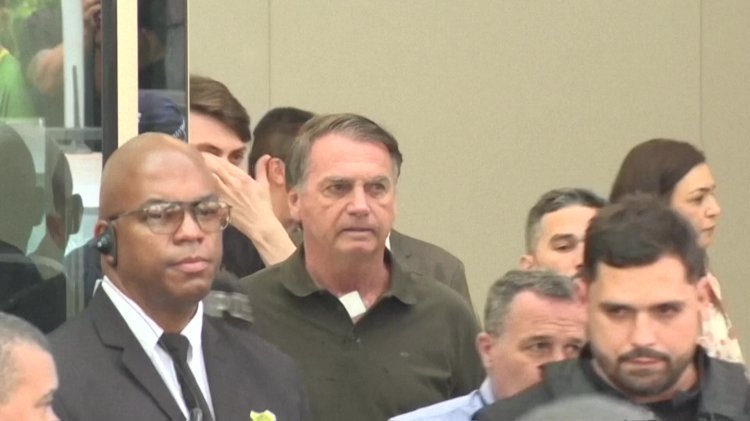
Former president Jair Bolsonaro told a judge he tampered with his electronic ankle monitor because medication-induced paranoia and hallucinations led him to believe the device contained listening equipment, court records show. Bolsonaro said he used a soldering iron on the tracker while alone under house arrest, then “came to his senses” and informed the officers guarding him. He denied any intent to flee.
The disclosure followed a federal police detention ordered by Supreme Court Justice Alexandre de Moraes, who cited Bolsonaro’s prior conduct and the tampering as evidence he posed a flight risk. Bolsonaro is serving a 27-year prison sentence after a conviction for plotting a coup and had been under house arrest in a separate case while awaiting appeals. At a 30-minute custody hearing, the judge ruled that officers had acted lawfully in taking him into custody; Bolsonaro is being held in a small cell at federal police headquarters in Brasilia pending a panel of Supreme Court judges’ review of his detention.
Bolsonaro’s lawyers repeated requests for “humanitarian house arrest,” citing his age, health issues and medical reports they say explain the episode as an “illogical” reaction to prescribed anticonvulsant drugs used to treat chronic hiccups. They argued there was no intent to escape. Supporters gathered outside the detention centre protesting what they called political persecution; Bolsonaro’s wife visited him while travelling to a political event.
The episode drew responses from national leaders and international attention: President Luiz Inácio Lula da Silva defended the Supreme Court’s actions as lawful. The coming days will see the Supreme Court panel decide whether Bolsonaro remains in custody or is returned to a form of house arrest, while prosecutors and defence teams prepare further legal submissions. The case underscores ongoing political polarisation in Brazil and raises questions about the role of medical explanations in detention disputes involving high-profile political figures.