

Chilean team maps Antarctic plant genome
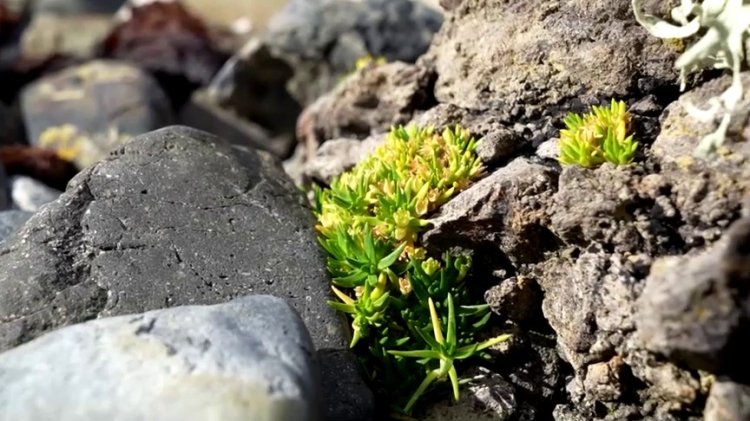
Chilean researchers mapped the genome of Colobanthus quitensis, commonly known as Antarctic pearlwort. It is one of two flowering species thriving in Antarctica's extreme cold, limited water, and UV radiation. The genetic map is crucial for understanding its endurance in harsh conditions. The Chilean-led Polarix project study, published in "Genome Biology and Evolution," assembled its genetic blueprint, identifying over 40,000 protein-coding genes. The objective is to identify genes responsible for its resilience. Scientists aim to leverage this knowledge to develop climate-resilient crops to withstand volatile weather and stresses like drought, extreme temperatures, high salinity. This research offers a promising avenue for global agriculture, facing challenges from climate change. Understanding its adaptation mechanisms, researchers hope to apply these insights through gene-editing to enhance crop hardiness. The goal is not to create traditional GMOs, but to edit crop genomes to improve nutritional value and environmental tolerance. While genome mapping is a major breakthrough, applying these findings to commercial agriculture is still some years away. Experts estimate five to ten years for these insights to translate into practical, market-ready solutions for farmers. This endeavor underscores the critical importance of biodiversity in extreme environments for global food security.