

China eVTOL completes cargo test flight
The low-altitude mission shows progress toward regional aerial logistics
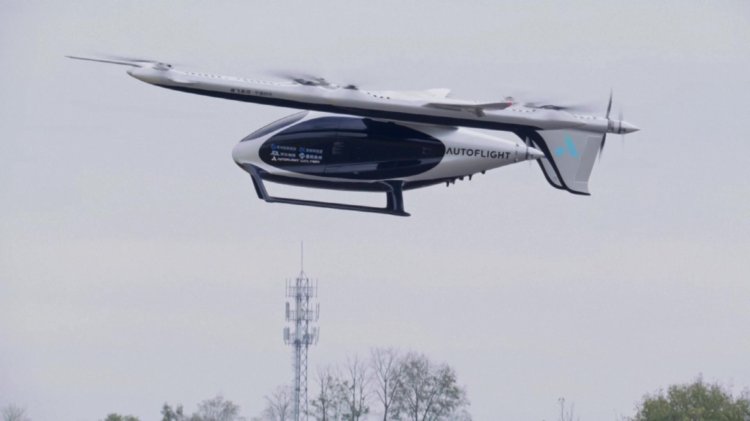
A China-developed two-tonne electric vertical takeoff and landing (eVTOL) aircraft completed a low-altitude cross-city cargo test flight in mountainous Guizhou Province, advancing efforts to use eVTOLs for logistics and emergency response. Operated by Guiyang Low-Altitude Industry Development Company, the aircraft covered 118 kilometres in about 40 minutes, carrying emergency medicines and local agricultural products between a county and provincial capital Guiyang. Fully electric, the craft combines vertical lift with fixed-wing cruise efficiency, emits less noise than conventional helicopters and is intended for short- and medium-range missions including commuting, cargo runs and rescue operations.
The trial is part of broader developments in China’s low-altitude aviation sector. A similar two-tonne-class model, the V2000CG CarryAll developed by AutoFlight, has conducted longer cross-city cargo flights—about 160 km in roughly an hour—transporting hundreds of kilograms of goods. That model received type, production and airworthiness certification earlier this year, marking a regulatory milestone for heavy-lift eVTOLs and underscoring rapid progress toward commercial applications.
Authorities and industry backers say the Guizhou flight demonstrates the viability of establishing regular cargo air routes in mountainous and hard-to-reach regions, contributing to a three-dimensional transport network that links remote areas with urban centres. Advocates argue large-capacity eVTOLs could speed deliveries, improve emergency medical transport and reshape local logistics, forming a core component of the emerging “low-altitude economy.”
Experts caution, however, that broader deployment depends on resolving regulatory, air-traffic management and infrastructure challenges. Scaling operations will require development of dedicated landing pads, integration into controlled airspace, secure charging and maintenance facilities, and competitive operating costs. Safety protocols, certification pathways and coordination with existing aviation systems remain critical hurdles.
Still, the successful Guizhou mission and certified flights elsewhere indicate growing technical maturity for heavy-lift eVTOLs in China. If regulatory and infrastructure bottlenecks are addressed, these aircraft could offer a fast, flexible option for regional cargo movement and emergency services, particularly in topographically challenging areas where surface transport is slow or impractical. Observers view the tests as a meaningful step toward operationalizing aerial logistics and expanding low-altitude mobility solutions across urban and rural corridors.