Israeli strike hits Beirut suburb
Five killed and 28 wounded as tensions rise over Hezbollah target
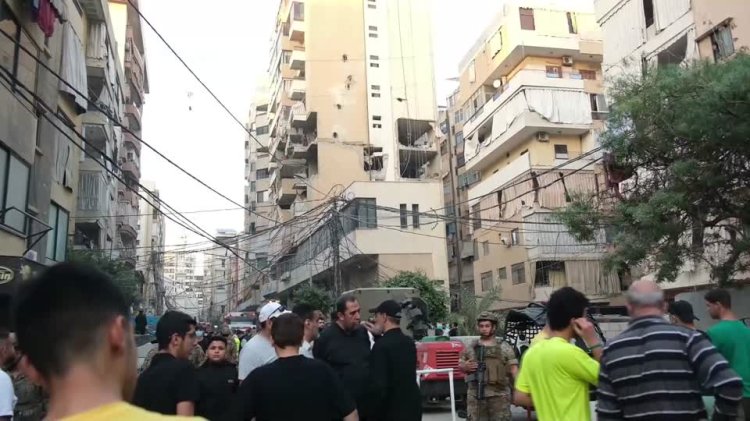
An Israeli airstrike struck the Haret Hreik district in Dahieh, the heavily Hezbollah-aligned southern suburbs of Beirut, killing five people and wounding 28, Lebanon’s health ministry said. Israeli officials said the operation targeted Haytham Ali Tabatabai, whom they described as a senior Hezbollah military figure involved in rebuilding the group’s combat capabilities; Hezbollah has not publicly confirmed his fate. Emergency responders searched through rubble, treated dozens of wounded at nearby hospitals and reported damage to residential buildings and surrounding streets.
Israel characterized the strike as a preventive measure intended to stop future attacks and to restore deterrence, saying the target formed part of a network “seeking to rebuild threats against the State of Israel.” Lebanese authorities and Hezbollah condemned the action as a violation of Lebanese sovereignty. Hezbollah warned that Israel would “bear the consequences,” signaling a high risk of retaliation and raising immediate fears of broader escalation along the Israel–Lebanon frontier despite an existing truce.
Lebanese officials described the strike as one of the most significant to hit Beirut’s southern suburbs since the cease-fire, and President Michel Aoun called for international intervention to prevent further destabilisation. The attack’s proximity to central Beirut marked a notable intensification compared with many earlier operations that occurred nearer the border, drawing attention from regional and international observers concerned the move could undermine fragile stability. Northern Israel was reported to be on heightened alert as communities near the frontier on both sides braced for the possibility of reprisals.
Analysts warned the strike could complicate diplomatic efforts to preserve the cease-fire and risk drawing Lebanon deeper into confrontation with Israel. The incident underscores how targeted killings or attempted killings of senior figures carry the potential to trigger tit-for-tat responses between Hezbollah and Israeli forces, with consequences for civilian populations on both sides. For Lebanon, the attack exacerbates political pressures at a time when the country faces economic and social strain, and it risks intensifying internal divisions over how to respond.