China slaps duties on EU dairy imports
Provisional tariffs up to 42.7% heighten trade tensions
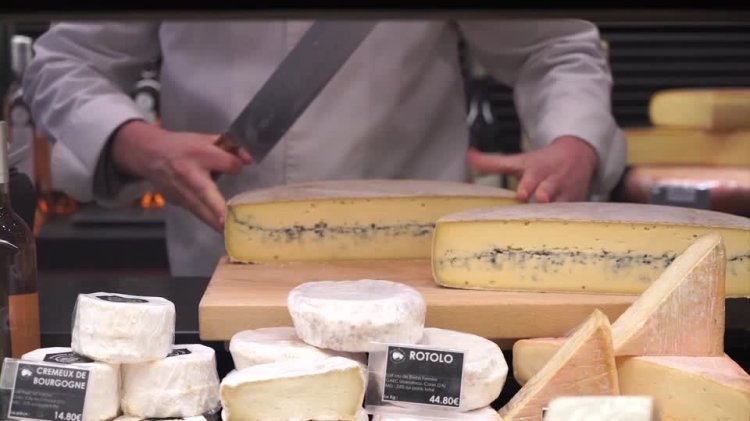
China will impose provisional duties of up to 42.7% on certain dairy imports from the European Union after concluding the first phase of an anti-subsidy probe, a move that risks escalating trade tensions between Beijing and Brussels. The Ministry of Commerce said most affected companies will face levies around 30%, targeting products such as milk and cheese; duties will begin being collected immediately and remain in place while the investigation continues. Rates vary by exporter, with roughly 60 firms—including Arla Foods, owner of Lurpak and Castello—facing tariffs of about 28.6%–29.7%, and FrieslandCampina Nederland B.V. hit with the highest provisional rate of 42.7%.
Beijing framed the measures as necessary to address alleged unfair pricing and harm to domestic producers, saying provisional duties are standard while probes proceed and that final rates could be revised once the investigation concludes. The decision follows a broader pattern of recent trade disputes: the EU launched an anti-subsidy inquiry into Chinese-made electric vehicles in 2023, and China has used trade defence instruments on other agricultural imports, notably lowering provisional tariffs on pork in its final ruling last week.
Brussels denounced the dairy duties as unjustified. A European Commission spokesperson said the bloc is “doing everything it takes to defend EU farmers and exporters” and has already taken action at the World Trade Organization over China’s initiation of the dairy probe. The Commission pledged to protect the Common Agricultural Policy and to pursue all necessary steps to defend European producers’ rights.
Industry groups warned the levies could hit EU dairy exporters at a sensitive time, compounding pressures from rising costs, volatile demand and global competition. China is a key market for European dairy, and higher tariffs risk disrupting sales and supply chains—especially for smaller producers less able to absorb added costs. Analysts view the measures as part of tit-for-tat dynamics in which both sides deploy trade tools to press their negotiating positions, raising concerns that such disputes could undermine bilateral economic ties.
Despite the escalation, China and the EU remain major trading partners, and diplomats on both sides have urged dialogue to prevent further deterioration. For exporters and governments, the immediate focus will be on the probe’s next phases and whether provisional duties are maintained, reduced or converted into permanent measures once a final determination is made.