

AI actor fuels hollywood rights debate
Unions warn synthetic performers threaten pay and consent
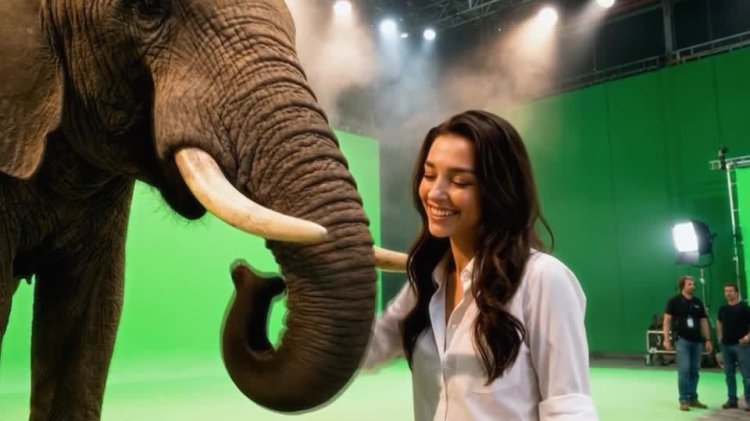
A photoreal AI-generated performer called Tilly Norwood has sharpened debate in Hollywood over whether synthetic actors are a creative innovation or a threat to performers’ rights and pay. Created by London-based Particle6 and unveiled at an an industry event, Tilly is presented by founder Eline Van der Velden as a named character with a defined look and personality intended to expand storytelling possibilities and help finance productions when budgets fall short. Clips from Particle6 promote Norwood as “the world’s first AI actor,” a label that has drawn both attention and sharp criticism.
Performers’ unions, led by SAG‑AFTRA, have condemned the concept of “synthetics,” arguing that generative systems risk reproducing performers’ work without consent or compensation and that creativity should remain human-centered. Union leaders and many actors warn that AI could be used to replicate likenesses or outputs derived from real performers’ voices and movements unless strict safeguards, transparency and fair pay are enforced. High‑profile actors in effects-heavy films have also voiced concerns about weak rules and the potential for misuse; some have called for regulation to prevent the technology being “weaponized.”
Van der Velden rejects the narrative that the project aims to replace human actors, saying Particle6 and its AI talent studio Xicoia see AI characters as a financing tool to keep scenes that would otherwise be cut and thereby enable more productions — potentially creating more acting jobs overall. She says Norwood was likely trained on licensed or rights-free material rather than protected film and TV content, and frames AI actors as collaborators that can follow their own creative paths within a constructed “Tillyverse.” Particle6 also highlights environmental calculations suggesting production emissions for a fully generated film could be comparable to a transatlantic round trip, seeking to counter arguments about AI’s footprint.
Some lawmakers and union negotiators have pressed for explicit protections against studios using AI to recreate actors’ likenesses without permission.
As Particle6 builds wider narratives around Tilly and pitches AI talent for commercial use, the controversy spotlights a broader industry reckoning: balancing technological innovation against artistic integrity, workers’ rights and ethical transparency. For proponents, AI characters open creative horizons and financing options; for critics, they are a potential vector for unfair competition and erosion of rights unless governance, disclosure and compensation rules are firmly established.