

Czech black coal mining era ends
Last deep shaft closes after 250 years of mining
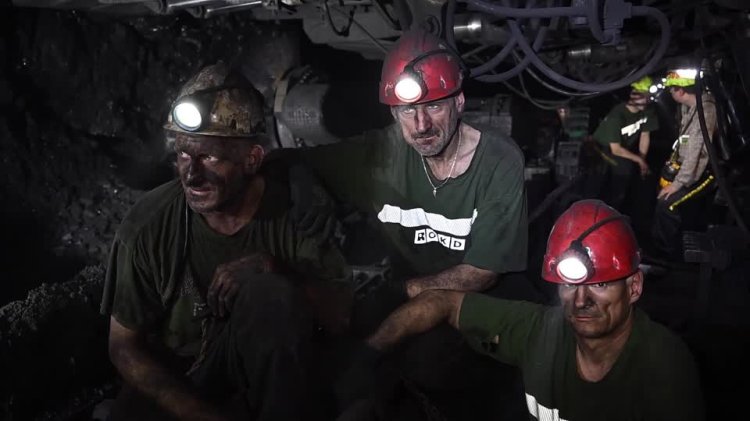
Centuries of deep coal mining in Czech Silesia are drawing to a close as the country’s last black coal shaft prepares to shut, ending an era that for 250 years powered local industry and shaped regional life. At the kilometre‑deep Stonava mine near Ostrava, miners worked final shifts amid subdued farewells and anxiety about livelihoods. Workers and managers cited a mix of economic pressures—low global coal prices, rising extraction costs at increasing depths—and a longer-term shift toward cleaner energy that has eroded demand for locally mined black coal. The shaft’s closure, delayed for several years by an energy squeeze after Russia’s invasion of Ukraine, reflects decisions by state‑owned OKD, whose deep operations can no longer compete with cheaper overseas supplies.
Once a pillar of employment—with the industry supporting more than 100,000 jobs in the 1980s—the region has seen steep job losses through market changes and post‑communist restructuring. OKD’s output has fallen from the tens of millions of tonnes a year in the late twentieth century to about 1.1 million tonnes in the most recent reporting year; the company has already reduced staff to roughly 2,300 and plans further layoffs affecting around 1,550 workers. Officials say workers will be offered retraining and support, and the region has attracted foreign investment since EU accession that helps cushion the transition. Unemployment in the area remains above the national average, though social programmes and re‑qualification efforts are in place.
Legacy environmental problems persist: abandoned surface works, polluted lagoons and subsidence scar the landscape. To aid rebuilding, the region will receive a substantial Just Transition allocation from the EU to help diversify economies hit by decarbonisation policies. While deep black coal mining ends, related activity continues elsewhere—Poland retains a large mining workforce and has secured pledges to keep operations going through 2049, and Czech lignite surface mining is expected to persist for several years. OKD says it will pivot toward coal trading and new projects including a battery park, data centre and a small methane‑fired plant that would use gas from former shafts, signalling a shift from extraction to broader energy and industrial redevelopment.