

Limpopo flooding cuts roads and power
Floods isolate communities and disrupt essential services
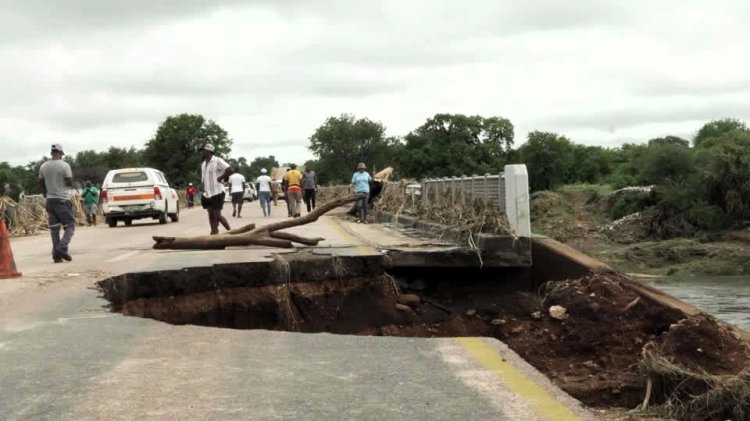
Severe flooding in Limpopo Province has inflicted widespread damage on transport links and essential services, isolating communities and stretching emergency responders. Torrential rains caused rivers to burst their banks, washing away bridges and rendering major routes such as the R40 and R71 impassable—roads residents rely on for access to markets, healthcare and supplies. Drone footage showed swollen waterways and damaged roadways, while rescue vehicles were filmed approaching flooded crossings. Locals described movement as nearly impossible and warned that cutoffs threaten livelihoods.
Provincial authorities reported that both primary and secondary roads were blocked or severely damaged, complicating access for ambulances, relief teams and utility crews. Floodwaters damaged electricity infrastructure, provoking outages across multiple municipalities, and disrupted water-treatment works and pumping stations, leaving many households without reliable clean water. Disaster management teams opened temporary shelters for displaced families and coordinated with national agencies to assess damage and prioritise restoration of roads, power and water services.
Schools were closed in several districts as a precaution, and farmers reported losses of crops and livestock, heightening concerns about longer-term economic impacts in a province already facing vulnerability. Officials warned that standing water and compromised sanitation systems could elevate disease risk if conditions persist. Emergency services urged residents to avoid flooded roads and river crossings and to move to higher ground where necessary.
The South African Weather Service forecast more rain for the region, raising fears that already severe conditions could worsen and that further infrastructure failures are possible. Cleanup and repair operations are underway, but authorities caution that restoring full access and services will take time as assessments continue to determine the full scale of damage to communities, transport networks and utilities.