Damascus tourism rebound after fall of Assad regime
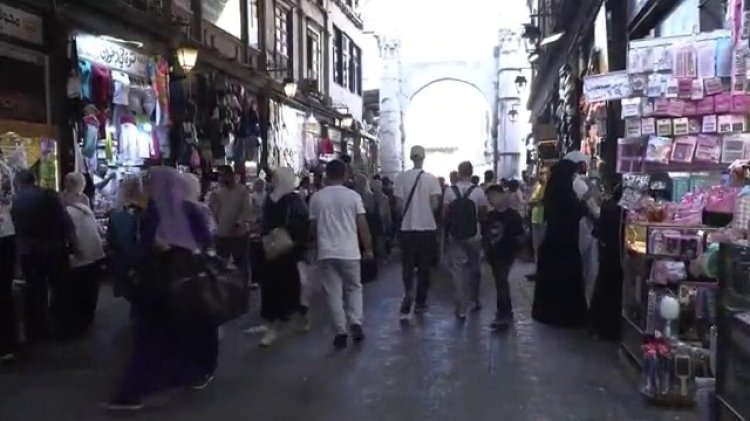
Damascus, Syria's capital, is experiencing a significant resurgence in tourism after years of devastating conflict. Visitors are again exploring its historic streets and cultural sites, signaling a cautious return to normalcy. For over a decade, Syria's civil war decimated its thriving tourism. Sanctions, security concerns, and destruction deterred travelers, severely impacting the economy. Now, with relative calm in the capital, the government is actively working to revive this crucial economic pillar. Tourists are primarily from neighboring countries, especially the Gulf, and the Syrian diaspora. Niche tour operators specializing in historical and religious tourism show growing interest. Its rich heritage draws visitors, including the Umayyad Mosque, the Old City
—a UNESCO World Heritage site
—and its bustling souks. Local businesses, from hotels to artisan shops, are reopening, offering employment and injecting revenue into the economy. The government has eased travel restrictions, investing in infrastructure and promotional campaigns to project stability and safety. However, challenges persist. Many countries still advise against travel, and the political and economic landscape remains complex. Full restoration requires sustained peace, international investment, and lifted sanctions. Despite hurdles, tourists navigating Damascus's ancient alleys offer a poignant symbol of resilience and hope for recovery. Cautious optimism among residents and business owners shows Damascus's enduring spirit as it slowly rebuilds its future, one visitor at a time.