Deadly protests rock Nepal parliament
19 killed as youth rally against corruption and social media ban

Violent clashes erupted in Kathmandu as police confronted protesters attempting to breach the parliament compound, fueled by anger over a recent social media shutdown and widespread political corruption. The unrest, described as the worst in decades, resulted in at least 19 fatalities across two cities, with authorities deploying tear gas and rubber bullets against demonstrators.
The government had blocked access to several social media platforms, including Facebook, citing a crackdown on misuse and the spread of hate speech and fake news by users with fake identities. This action sparked significant agitation, particularly among the youth, who labeled the protests as a movement by "the new generation of Nepal." Thousands took to the streets, breaking through police barricades in a bid to enter the legislature, prompting authorities to impose a curfew around the parliament.
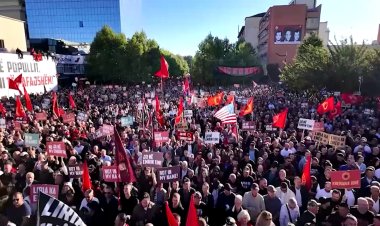
As tensions escalated, protesters set fire to an ambulance and a security personnel building, while engaging in confrontations with riot police. Many demonstrators carried flags and placards demanding an end to corruption and the lifting of the social media ban. Reports indicate that over 100 individuals, including 28 police officers, required medical treatment for injuries sustained during the clashes.
The protests also spread to the eastern city of Itahari, where additional violence resulted in two more deaths. Organizers characterized the demonstrations as expressions of frustration from young people regarding government inaction on corruption and economic opportunities. The Prime Minister's administration faced criticism for failing to address these issues, as many young Nepalis seek work and education abroad.
In response to the escalating violence, the government lifted the social media ban shortly after the protests began and enforced a strict curfew in several areas. Military forces were deployed to restore order, and the Home Minister resigned, taking moral responsibility for the bloodshed. Human rights organizations condemned the use of lethal force and called for an independent investigation into the events, highlighting the growing discontent among the youth regarding censorship and governance in Nepal.