


Denmark unveils new air defence system
NASAMS deployment strengthens protection and Nato integration
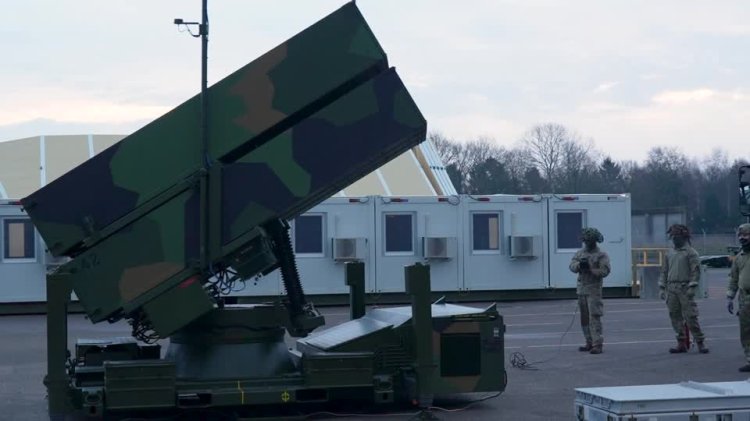
Denmark’s military unveiled a newly acquired air defence system at Skalstrup air base, demonstrating how crews move the launcher and load a practice projectile. The system shown was the National Advanced Surface-to-Air Missile System (NASAMS), part of a wider procurement that includes a recent 500 million euro contract with Norway’s Kongsberg Defence & Aerospace and contributes to planned European-made purchases totaling about $9 billion. Officials say the acquisition boosts Denmark’s ability to detect, track and intercept a wide spectrum of aerial threats through integrated radar, command-and-control systems and interceptor missiles, and improves reaction times while enabling closer integration with NATO air and missile defence networks.
Chief of Defence General Michael Hyldgaard described the display as the start of increased investments that will enhance Denmark’s defensive capacity in the coming years. Military spokespeople stressed the new capability fills critical gaps that previously left Denmark reliant on allied support for certain air-defence functions, and said it will help protect key military installations, infrastructure and population centers. The demonstration included simulated engagements to show rapid target identification and response.
The procurement is presented by officials as part of an accelerated defence buildup following Russia’s invasion of Ukraine, with faster acquisitions and higher spending to meet NATO targets. Defence analysts say the move mirrors a wider European shift toward prioritising air defence after lessons from recent conflicts showed the destructive potential of missile and drone strikes against military and civilian targets. Danish authorities indicated the system will undergo further testing and training over the coming months to reach full operational readiness and could be deployed domestically or contribute to NATO missions or rotations if required.
Military representatives emphasized the system’s defensive purpose, describing it as a deterrent intended to strengthen national protection and Denmark’s contribution to collective security within NATO.