Fed holds rates amid rare split
Policymakers divided as inflation stays above target
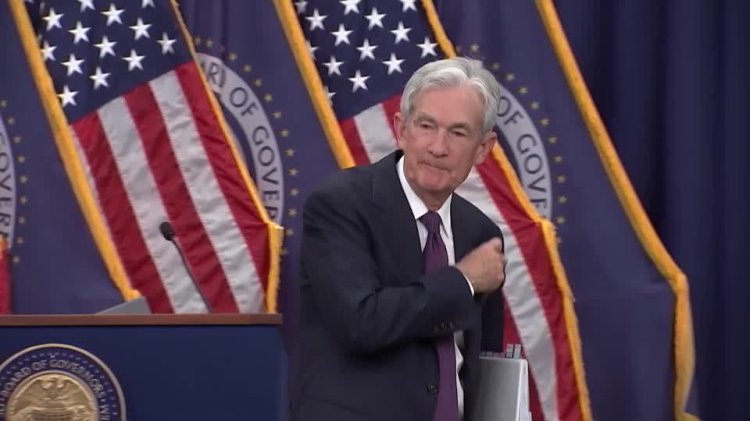
The Federal Reserve voted to hold interest rates steady in a near-unanimous decision, though three policymakers sought to remove the Fed’s bias toward future rate cuts, marking the most divided vote since 1992. Chair Jerome Powell said the economy remains strong but inflation has risen above the Fed’s 2% longer-run goal, noting a 12‑month rise in total PCE of about 3.5% through March—partly driven by higher global oil prices linked to the war in the Middle East. Powell, speaking likely for the last time as chair before his term ends next month, thanked reporters and signaled he will remain on the Board of Governors after his chairmanship concludes to help preserve the institution’s independence.
Powell defended the Fed against what he described as unprecedented legal attacks that risk politicizing monetary policy, saying recent probes and threats have battered the institution and stressing that legal actions—not verbal criticism—pose the greater danger. He denied any intention of undermining the incoming leadership, pledging not to act as a “shadow chair” and to keep a low profile.
President Trump’s nominee to succeed Powell, Kevin Warsh, won backing from the Senate Banking Committee and is expected to be confirmed by the full Senate before the Fed’s next meeting in June. Last week the Department of Justice closed an investigation into renovation costs for Fed buildings that had drawn judicial rebuke and prompted a Senate blockade of some presidential nominees; the Fed’s Office of Inspector General is continuing to examine the overruns. Powell said he fought the DOJ probe and characterized it as reprisal for resisting political pressure for large rate cuts.
Analysts say Powell’s decision to stay on the board could promote continuity amid legal and political scrutiny, while the split vote highlights lingering debate at the Fed over the path of policy as officials weigh persistent inflation risks against a still-robust economy.