Flooding hits Washington white river
Storm and snowmelt push water levels above banks
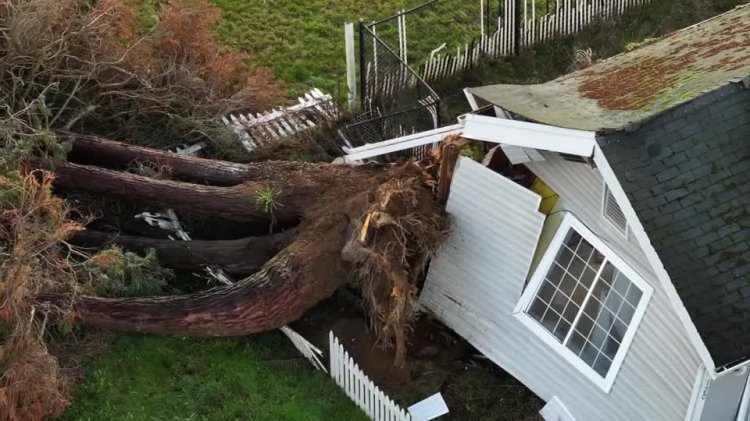
The White River in west-central Washington overflowed after a powerful storm combined heavy rain with rapid snowmelt in the Cascade Mountains, sending water levels well above normal and flooding surrounding areas. Multiple locations along the river experienced bank breaches that inundated farmland, residential neighborhoods and low-lying roads, prompting closures and disrupting daily life for downstream communities. Emergency responders monitored fast-moving water that eroded banks and carried debris, increasing the risk of further overflow and complicating mitigation efforts.
Flooding affected parts of Pierce and King counties and nearby areas, where sheriff’s offices issued advisories urging people to avoid swollen waterways and not to drive through standing water. Several rural roads and bridges were closed after becoming impassable, and school districts warned families of possible transportation disruptions. Farmers reported waterlogged fields, damaged fences and crop losses, raising concerns about longer-term economic impacts if floodwaters do not recede quickly.
Hydrologists attributed the surge to warm temperatures combined with sustained rainfall, which accelerated high-elevation snowmelt and produced large volumes of runoff into the river system. River gauges recorded rapid overnight increases, and forecasts for more rain raised the prospect of prolonged flooding or renewed surges. Crews were dispatched to inspect levees, assess vulnerable river stretches, clear culverts and drainage channels of debris, and shore up erosion-prone banks.
Although no serious injuries or fatalities were immediately reported, officials warned conditions remained hazardous: swift currents, hidden debris and unstable banks posed ongoing dangers, particularly for residents near the floodplain. Authorities advised people to keep emergency supplies ready, follow evacuation orders if issued, and avoid travel in affected zones. Local shelters were placed on standby as a precaution.
The event underscores broader concerns about extreme weather patterns in the Pacific Northwest, where intense storms followed by rapid warming have increased river flood risks in recent years. Climate experts say such compound events—heavy rain on melting snowpacks—are becoming more frequent and can overwhelm infrastructure designed for less volatile conditions. As rain continued in parts of the region and runoff flowed downstream, communities along the White River remained on alert while crews continued damage assessments and efforts to stabilize waterways and reopen critical routes.