

Saied supporters rally on revolution day
Mixed mood marks Tunisia uprising anniversary

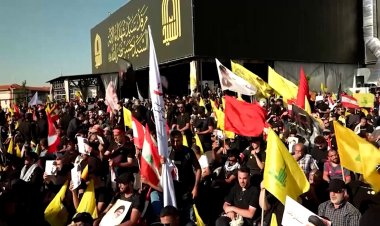
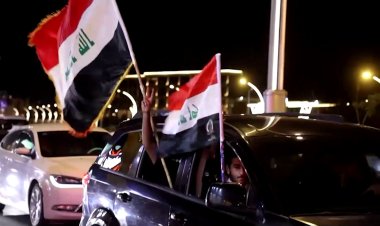
Supporters of President Kaïs Saied rallied in Tunis during Revolution Day commemorations that mark the 2010–2011 uprising sparked by Mohamed Bouazizi’s self-immolation in Sidi Bouzid. The day, made a national holiday in 2021, was observed with official ceremonies, wreath-laying and speeches recalling the protests that ended Zine El Abidine Ben Ali’s more than two-decade rule and led to a new constitution and competitive elections.
At state events President Saied praised ordinary Tunisians’ courage and framed the anniversary as a moment to honor those who demanded jobs, dignity and political freedom, while reiterating the need to protect the state and pursue reforms to tackle economic hardship and corruption. Pro-government demonstrators used the occasion to show support for Saied’s policies.
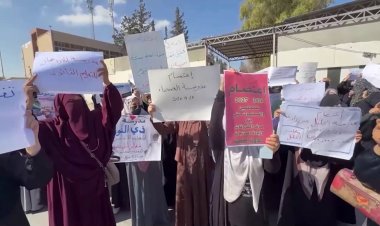
Public sentiment was mixed elsewhere: subdued gatherings and small activist meetings reflected widespread frustration over persistent economic woes, high unemployment and rising living costs. Civil society figures warned that the revolution’s hard-won freedoms risked erosion, and some demonstrations were closely monitored by security forces, though no major unrest was reported.
More than a decade after the uprising, Tunisia remains a contested political landscape. Saied’s 2021 decision to dissolve parliament, rule by decree and later enact constitutional changes that expand presidential powers has polarized opinion. Supporters argue these moves were necessary to end political paralysis and confront entrenched interests; critics and rights groups contend they have weakened democratic checks and balances and left the revolution’s promise of accountable governance unfulfilled.
Observers note that while the revolution transformed Tunisia into a symbol of hope during the Arab Spring, subsequent political turmoil, economic stagnation and power struggles have tested those gains. On the anniversary, citizens voiced a mixture of pride in the country’s history and concern for its future, underscoring that the legacy of the 2010–2011 uprising continues to shape national debate and political divisions.