DRC Ebola death toll surpasses 2,700
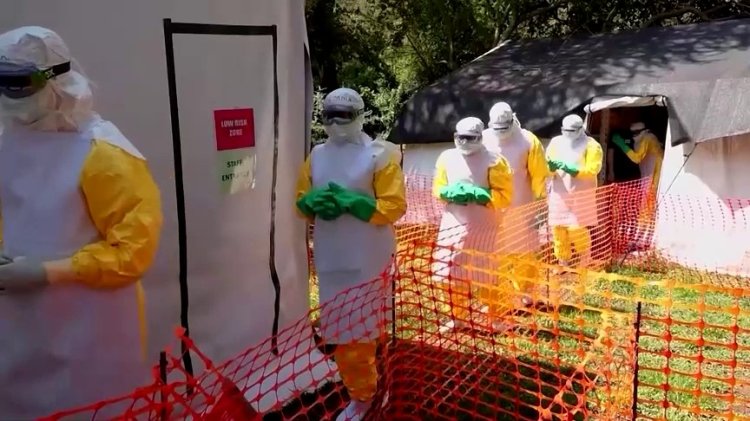
The Democratic Republic of Congo is battling an Ebola outbreak, the country's largest and the second-largest globally. Caused by the Bundibugyo virus, the outbreak was declared in May and has killed over 2,700 people. Over 1,200 individuals have recovered. This 17th Ebola outbreak in the DRC originated in Ituri Province and has spread to six eastern provinces. Ituri reports the highest number of cases. The World Health Organization declared it a Public Health Emergency of International Concern in mid-May, highlighting severe risks. Response efforts face significant impediments from fragile healthcare infrastructure, armed conflicts, and misinformation. These challenges hinder detection, treatment, and prevention. Health workers have faced numerous attacks, jeopardizing essential care and viral control. The Bundibugyo virus strain introduces complexities. Current treatments and vaccines were developed for the Zaire ebolavirus. This complicates therapeutic approaches and requires targeted research and adapted interventions. Confirmed cases surpassed 5,600 by late August. Despite immense obstacles, dedicated local and international teams tirelessly work to contain the disease. Response strategies include rigorous contact tracing, epidemiological surveillance, and compassionate care. The outbreak's scale, rapid progression, and geographical impact present a challenging public health crisis. It demands sustained global attention, robust financial support, and coordinated international resources to protect vulnerable populations in the DRC and control the epidemic.