France’s PM Lecornu quits after cabinet debut
Sudden resignation deepens Macron’s crisis and rattles markets
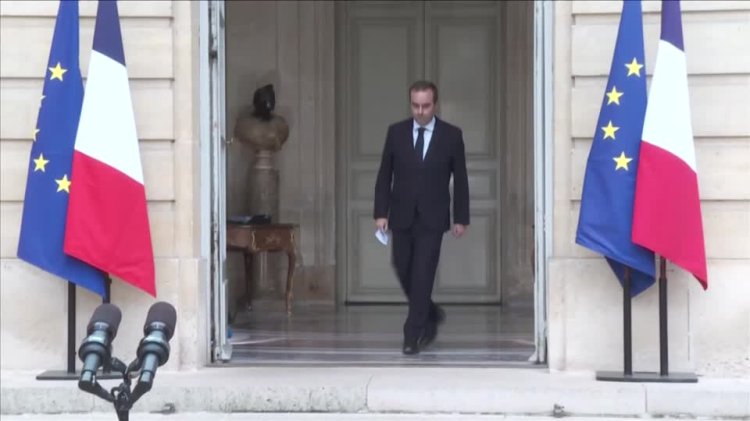
France’s newly appointed prime minister, Sébastien Lecornu, resigned hours after unveiling his cabinet, deepening an ongoing political crisis in a fragmented parliament. Lecornu’s rapid exit—following weeks of consultations and a cabinet line-up that drew criticism from both opponents and allies—was described by officials as unprecedented and ignited fresh uncertainty about the government’s durability ahead of a presidential election. The far-right National Rally urged President Emmanuel Macron to call a snap parliamentary election.
Coalition partners reportedly withdrew support over key appointments, including controversy surrounding Bruno Le Maire, prompting Lecornu to step down and President Macron to dissolve the fledgling government while asking Lecornu to remain temporarily to conduct urgent talks. Macron now faces high-stakes choices: name a new prime minister, call fresh legislative elections, or pursue a caretaker arrangement, each carrying significant political risk.
Financial markets reacted sharply. Paris’s CAC 40 tumbled—becoming among Europe’s worst-performing indices that session—with major banking stocks such as BNP Paribas, Société Générale and Crédit Agricole plunging around 4–5%. The euro slid roughly 0.7% against the dollar, while French 10-year sovereign yields rose, widening spreads with German Bunds as investors priced in greater political and fiscal uncertainty. Analysts warned the collapse raises fresh doubts over France’s capacity to advance planned fiscal reforms amid rising debt.
Observers framed the episode as symptomatic of deeper instability since snap elections were called in 2024, leaving the legislature fragmented and successive governments unable to secure stable majorities. Cleanup and crisis-management efforts are underway as political actors eye next moves and markets monitor developments that could reshape France’s short-term governance and economic outlook.