


Giorgio Armani dies at 91 in Milan
Fashion icon remembered for timeless style and global influence
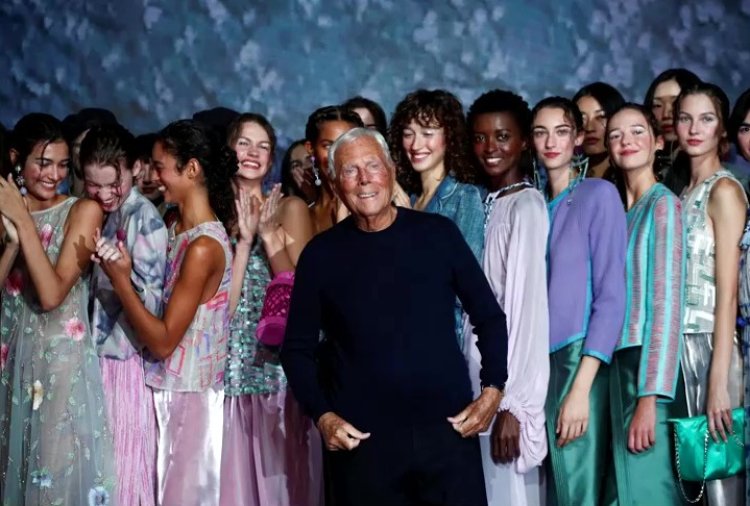
Giorgio Armani has died at 91, the Armani Group announced, saying he passed away peacefully at home surrounded by family. Born in Piacenza in 1934 and raised in Milan after World War II, Armani trained briefly in medicine before entering fashion and founding his label in the 1970s. Over five decades he built the name into a diversified global luxury group spanning ready‑to‑wear, haute couture, accessories, cosmetics, interior design and hospitality, with annual revenues reported near $2.7 billion.
Armani’s aesthetic—understated elegance, neutral palettes and softly structured tailoring—recast professional dress and everyday wardrobes. His 1970s reworking of the menswear jacket became a foundational move for the brand, shifting menswear away from rigid construction toward more fluid silhouettes. A pivotal cultural moment came when Richard Gere wore Armani in American Gigolo, elevating the designer’s profile internationally and helping transform the Armani suit into a symbol of modern sophistication and sex appeal. Over subsequent decades, countless celebrities adopted Armani on red carpets, while the brand extended into uniforms for airlines and sports teams, hotels and design projects, embedding his influence across lifestyle and commerce.
Nicknamed “King Giorgio,” Armani was famed for exacting control over creative and operational details—down to adjustments backstage at shows—and for preserving the company’s independence by resisting acquisition offers from luxury conglomerates.
He had been unwell and missed Milan’s Men’s Fashion Week in June for the first time in his career, an early sign of declining health. The Armani Group said a funeral chamber will be opened in Milan over the weekend, followed by a private funeral, and that Milan will host a two‑day public tribute at the Armani Theatre so the public and industry can pay respects.
Tributes poured in from political leaders, peers and celebrities; many highlighted his role as an emblem of Italian creativity and as a mentor and rival whose standards reshaped modern fashion.
Armani leaves no spouse or children; succession is expected to be managed by senior executives, though detailed long‑term arrangements have not been publicly disclosed.