Iran targets U.S. ships in Hormuz
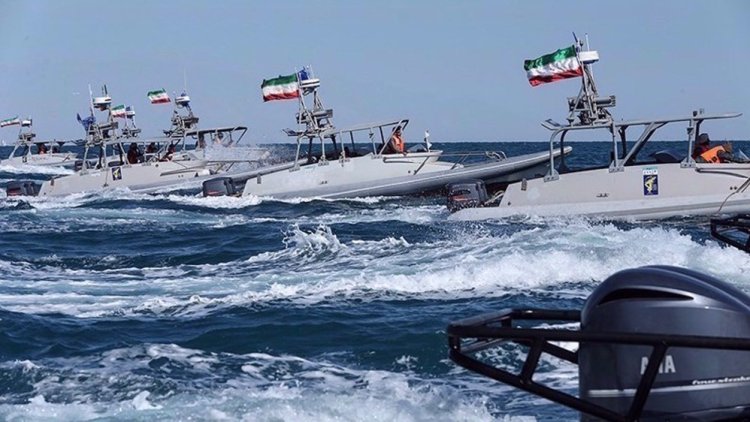
Iran said it had targeted two U.S. vessels, eight oil tankers and 10 other ships in the Strait of Hormuz area, presenting the strikes as retaliation for earlier U.S. attacks on Iranian tankers in the Persian Gulf. The IRGC said the ships were trying to enter a prohibited and unsafe zone and that the attacks caused heavy damage. It also said the Strait of Hormuz remains under the surveillance and management of its navy, signaling continued Iranian control over movement in the waterway.
The IRGC further claimed its Aerospace Force struck the U.S. al-Azraq Airbase in Jordan with a missile barrage. According to the statement, the attack used both solid- and liquid-fueled ballistic missiles and hit maintenance and repair hangars, aircraft preparation facilities and shelters containing F-35, F-16 and F-15 warplanes. Iran described the operation as causing heavy damage to hostile forces and framed it as part of its wider response to U.S. military pressure.
The waterway has become a major flashpoint in the conflict, with both sides accusing each other of escalating attacks at sea. Iran says the U.S. has targeted its oil tankers, while Tehran has responded with missile strikes on U.S. naval and regional military assets. In this context, the Strait of Hormuz has taken on greater strategic importance, with Iran warning that maritime activity there is being closely controlled.
The IRGC Navy also said it had intercepted and captured a highly advanced American unmanned underwater vehicle at the entrance to the strait. They said it can operate for up to 10 days, dive to depths of 6,000 meters, and carry out reconnaissance, seabed mapping, mine detection and anti-submarine support missions.
The U.S. military said one of its underwater drones malfunctioned during a regional survey the previous day, but did not confirm that it had been seized.