Iran thanks Pakistan for war support
Pezeshkian hails Islamabad’s solidarity during Israel - U.S. conflict
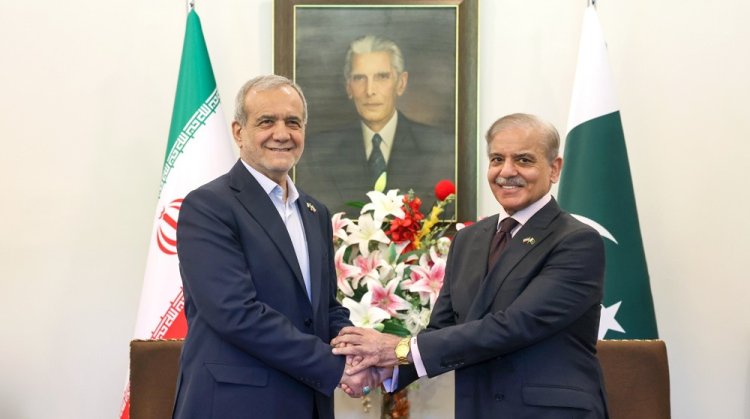
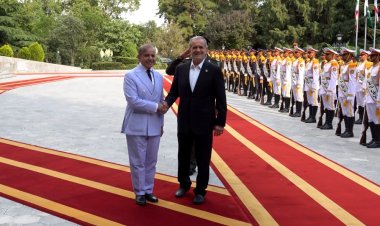
President Masoud Pezeshkian has expressed gratitude for Pakistan's steadfast support during the recent conflict involving Israel and the United States, highlighting the strong bond between the two nations. At a joint press conference with Pakistani Prime Minister Shehbaz Sharif, Pezeshkian praised the supportive stance taken by Pakistan's government, parliament, and citizens in response to the aggression.
The conflict began when Israel launched an offensive against Iran, resulting in the deaths of over 1,000 individuals, including military personnel and civilians. The United States subsequently bombed Iranian nuclear sites, which Iran condemned as a violation of international law. In retaliation, the Iranian Armed Forces successfully countered the aggression, leading to a cessation of hostilities.
During the press conference, Pezeshkian emphasized the interconnectedness of regional security and the necessity for peace and stability to foster economic development. He described Iran's relationship with Pakistan as one of brotherhood, underscoring the importance of prioritizing relations with neighboring countries.
Both leaders condemned Israel's actions in Palestine, Lebanon, and Syria, as well as its ongoing military operations in Gaza. They agreed on the need for enhanced cooperation among regional countries, particularly Muslim nations, to address the aggressive policies of Israel. Pezeshkian called on international organizations, especially the UN Security Council, to take a strong stance against violations of sovereignty and civilian casualties, urging an end to double standards in international responses.
Pezeshkian thanked Pakistan for its hospitality and extended an invitation to Prime Minister Sharif to visit Tehran for further discussions. During his two-day visit to Islamabad, the two nations signed 12 agreements covering various sectors, including science, technology, trade, and agriculture, marking a significant step in strengthening bilateral relations.