Egypt's solar future powered by China
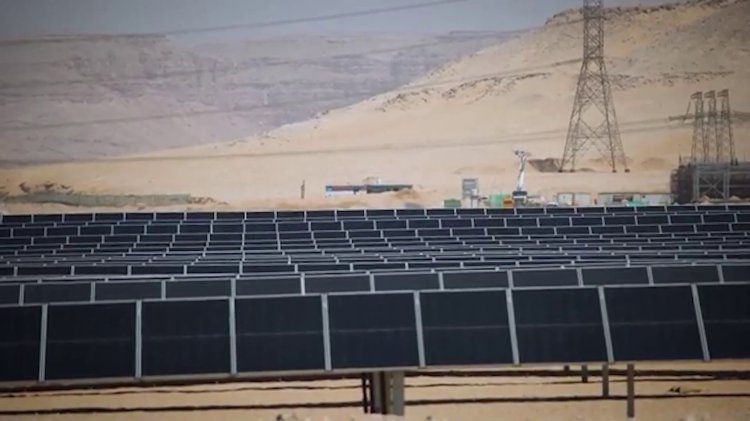
Egypt is rapidly transforming its energy landscape with significant Chinese solar technology and investment. The Benban Solar Park in Aswan, Africa's largest solar complex, boasts 1.65 gigawatts. Chinese companies played a crucial role, developing the Nefertiti 500-megawatt, 1,000-megawatt-hour battery energy storage project at Benban for grid stability. Other key projects include the Obelisk solar project in Qena, with its first phase contributing 500 megawatts. The full project is slated to reach 1 gigawatt, relying on Chinese solar technology. The Abydos Phase II solar and energy storage project in Aswan adds 1.2 gigawatts of solar PV and 720 megawatt-hours of storage, Sungrow contributing. Egypt is localizing its renewable energy supply chain, aiming to be a regional manufacturing hub for solar cells and panels. Chinese enterprises like Sunrev Solar are establishing a 2-gigawatt solar cell and module facility in the Suez Canal Economic Zone by 2026. Sungrow is building an energy storage system plant. These collaborations are vital to Egypt's national energy strategy, targeting 42 percent renewable electricity by 2030, rising to 60 percent by 2040. This transition reduces fossil fuel reliance, lowers carbon emissions, and enhances industry. Initiatives like the "Industry Sun" program, aiming for 1 gigawatt of rooftop solar, exemplify Egypt's approach. China, as Egypt's leading clean energy partner, offers financing, rapid project delivery, and technology transfer under the Belt and Road Initiative, accelerating this energy transition.