Iraq heads to polls amid deep scepticism
Many doubt elections will bring change after years of corruption

Iraq is heading into parliamentary elections clouded by widespread public scepticism that the vote will produce meaningful change, with many citizens viewing campaign promises as cosmetic gestures from entrenched elites. Years of corruption, high unemployment and inadequate public services have left Iraqis disillusioned since the 2003 U.S.-led invasion, and many say the political scene remains dominated by sectarian Shi’ite, Sunni and Kurdish blocs that prioritize power struggles over governance despite the country’s vast oil wealth.
The Independent High Electoral Commission approved 7,768 candidates—including 2,248 women—to contest 329 seats, and the official campaign period is underway. Yet for much of the public the contest feels predetermined, seen as a mechanism that preserves the influence of established parties and their patronage networks. Observers note that several dominant Shi’ite factions, including Iranian-backed groups, will vie for control, while the boycott by the influential Sadrist Movement has raised questions about the election’s legitimacy.
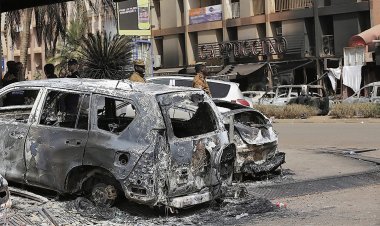
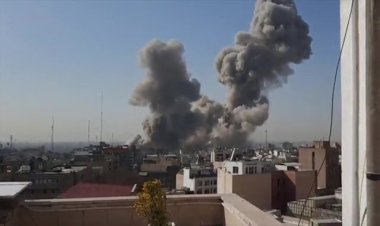
Security concerns have intensified the fraught atmosphere: the killing of parliamentary candidate Safaa al‑Mashhadani in a mid‑campaign bombing highlighted risks facing candidates and voters, and other hopefuls report threats that have prompted heightened protection measures and arrests. Analysts warn that armed groups and militias—some with ties to Iran—continue to exert influence over institutions, contracts and funds, creating conditions in which coercion and violence can shape political outcomes. Political analysts and ordinary Iraqis alike argue that uncontrolled weapons and militia power severely constrain democratic reform.
Campaign messaging centers on reform and better services, but many voters remain unconvinced. Citizens say pervasive patronage systems steer benefits to supporters, leaving ordinary Iraqis sceptical that new parliamentary configurations will translate into improved public services, jobs or reduced corruption. Political commentators emphasize that while street-level anger and civic demands persist, converting protest energy into institutional change remains difficult under current power structures.
Key issues in the campaign include the orientation of Iraq’s foreign policy between Washington and Tehran, security-sector reform—particularly the legal status of Popular Mobilization Forces—and long-standing calls for economic and governance reforms. As the race reaches its closing stages, domestic and international observers view the election as a crucial test of whether Iraq’s electoral framework can break cycles of elite dominance and deliver accountable governance, or whether it will simply reproduce existing hierarchies and fail to meet public expectations.