U.S. warns Nigeria after Plateau killings
Washington threatens action over attacks that left dozens dead

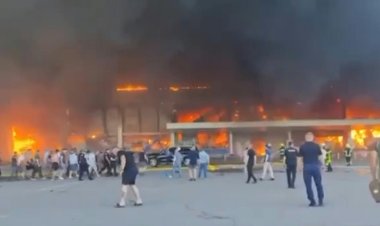
Armed violence in central Nigeria’s farming belt has intensified scrutiny from international groups and provoked a sharp reaction from U.S. political leaders after an attack in Plateau State left dozens dead. Local officials say armed herders stormed the predominantly Christian village of Zike, killing at least 40 people, looting and burning homes before withdrawing. Broader figures cited by relief groups and researchers point to sustained losses across the region: tens of thousands of Christians have been killed over recent years amid overlapping communal, ethnic and religious tensions.
The violence is concentrated in the Middle Belt and affects states including Benue, Plateau, Nasarawa, Kaduna and Ebonyi. Attacks reported across the area include killings, abductions, destruction of homes and churches, and large-scale displacement of farming communities. Analysts and rights groups caution that while Christian communities are heavily affected, violence also hits Muslim villages; causes are complex and include pastoralist–farmer disputes over land and water, weak governance, banditry, and militant insurgencies such as Boko Haram and ISWAP.
The crisis drew an unusually forceful response from U.S. President Donald Trump, who characterized the events as mass killings of Christians by “Islamic terrorists,” ordered the Pentagon to plan for possible military action, and threatened to cut all U.S. aid to Nigeria unless the government acted. In posts describing potential intervention, he vowed rapid and forceful action “to completely wipe out” the groups he held responsible, language that prompted alarm and criticism for its tone and lack of cited evidence.
Abuja rebuffed the characterization and warned that foreign military intervention would violate sovereignty. Presidential spokesmen described the U.S. threat as misleading, while President Bola Ahmed Tinubu affirmed his government’s commitment to religious freedom but conceded that Nigeria faces “massive state failure” in addressing security threats. Officials indicated openness to international assistance that respects territorial integrity and stressed that many violent incidents stem from local resource conflicts rather than solely sectarian persecution.
Humanitarian organizations are urging Nigerian authorities to strengthen protection for vulnerable rural communities, improve investigations and prosecutions, and engage diplomatically with international partners to defuse tensions. The U.S. warnings have increased pressure on Nigeria to demonstrate concrete security reforms and may prompt intensified diplomatic engagement in the near term as both sides seek to avoid escalation.