Japan deploys drones to scare bears
Gifu prefecture uses sound-emitting devices to reduce human-bear encounters
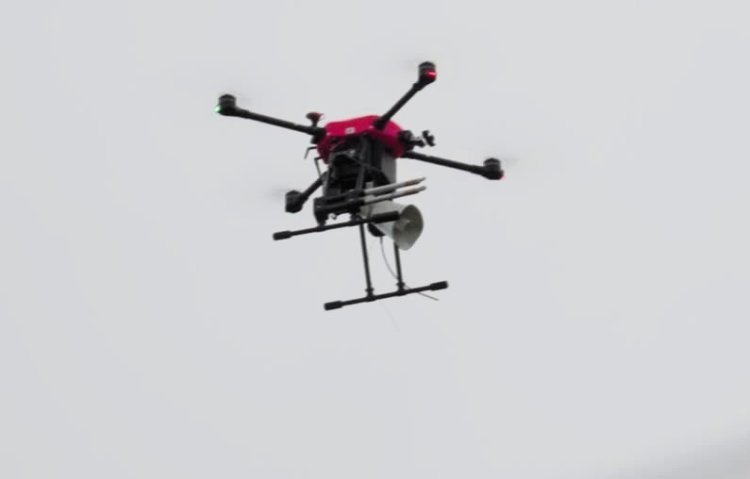
A central Japan prefecture has begun deploying sound‑emitting drones and other measures to deter a sharp rise in Asiatic black bear encounters that have injured and killed dozens this year. The tripod‑wide, bright pink “hunting” drones developed by Aero Japan are fitted with loudspeakers that play dog‑barking noises, megaphones, and small firecracker launchers; pilots fly them along preset routes over orchards and villages to scare bears back into forested areas without harming them. Gifu prefecture said the devices were an “immediate” response to an almost eightfold increase in bear sightings this autumn at sites including Fruits Park Kurouchi Orchard near Hida city.
The push to protect residents, farms and tourists follows a spike in bear incidents nationwide: public broadcaster NHK reports about 220 injuries and 13 deaths since April. Experts attribute the surge to a combination of factors — poor natural food harvests such as acorns, climate‑linked shifts in foraging and hibernation, rural depopulation and abandoned farmland — which have pushed bears closer to settlements. Conservationists note Asiatic black bear numbers in Japan have grown since 2012 as hunting declined, complicating management choices because the species is also listed as vulnerable.
Local responses extend beyond drones. Authorities have set honey‑laced snares, cut fruit trees that attract bears, issued warnings and stepped up patrols; schools hand out bear bells and instruct children to walk in groups. In Shirakawa‑go, a popular UNESCO‑listed tourist village near Hida, a bear cub’s recent attack on a foreign visitor prompted added signs, traps and advisories urging tourists to stay in groups and avoid isolated areas after dark. Some tourists are altering plans and carrying bear bells; several governments have issued travel advisories warning of bear attacks in rural Japan.
Officials say the drone trials, now operating in mountain towns such as Takayama and Shirakawa, are intended to be nonlethal and could become a longer‑term tool if effective. The measures have so far been used alongside hunters, patrol teams and noise deterrents; critics and conservation groups caution that deterrents alone cannot address root causes and call for wider habitat protection, waste management and landscape planning to reduce human–bear conflict. The scale of incidents has been large enough that the military was deployed earlier this month to assist culling efforts in northern regions, underscoring the challenge of balancing public safety with wildlife conservation.