Syria opens trial on coastal killings
The public case tests promises of justice in Syria
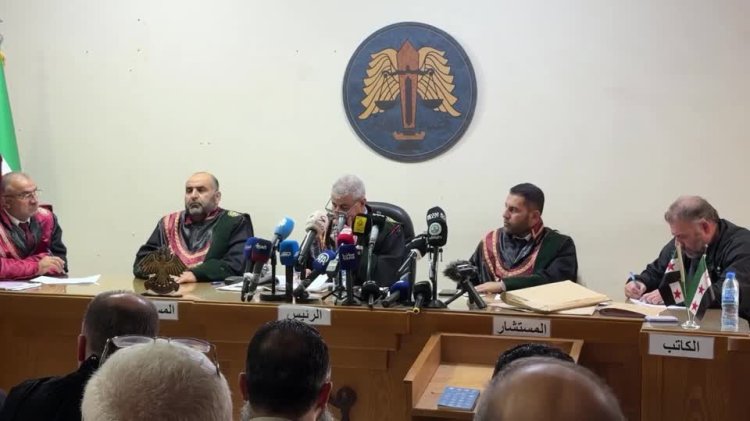
Syria has opened its first public trial over a wave of deadly violence in the country’s western coastal region, where pro‑government fighters and militias carried out large‑scale attacks in March that left hundreds of Alawite civilians dead. Fourteen defendants — split between those accused of attacking Alawite communities and others charged with assaults on government forces tied to militias loyal to the ousted president Bashar al‑Assad — appeared at the Aleppo Court of Justice to face counts that include fomenting civil war, secession, premeditated murder and looting.
Judicial authorities said the hearing forms part of a broader legal effort: prosecutors have pressed charges against roughly 300 individuals linked to armed factions affiliated with the army and about 265 from Assad‑era paramilitary groups, according to the head of a government fact‑finding committee. Court broadcasts showed defendants from both sides questioned over killings of civilians and the formation of militias that attacked army checkpoints and installations.
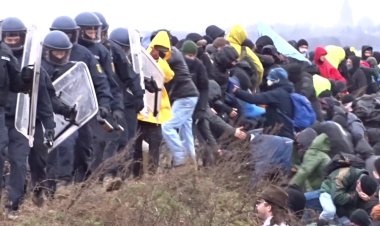
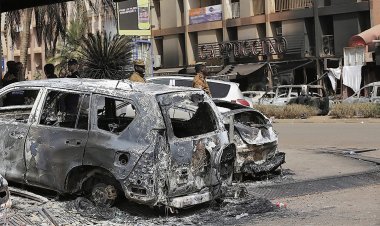
The trial addresses violence concentrated in Alawite‑majority areas of Latakia, Tartus and western Hama, episodes that observers estimate caused more than 1,400 civilian deaths alongside military and paramilitary casualties — one of the bloodiest outbreaks since the fall of the Assad regime. Authorities framed the proceedings as evidence of a commitment to accountability and judicial independence, presenting the public trial as a landmark step in the transitional authorities’ pledge to investigate atrocities.
Analysts and rights groups note the trial’s symbolic importance — for the first time in modern Syrian history members of security forces face prosecution alongside former regime operatives for mass violence — but urged caution. Many experts remain sceptical about the prospects for impartial justice, pointing to lingering concerns over transparency, judicial independence and how many suspects are actually detained and will be convicted. The proceedings are widely viewed as a test of interim President Ahmed al‑Sharaa’s promise of reform; how the courts handle these cases is likely to shape both domestic confidence and international perceptions of Syria’s transitional process.