Morocco youth protests spotlight inequality
Gen Z-led rallies decry poor services and heavy spending on stadiums
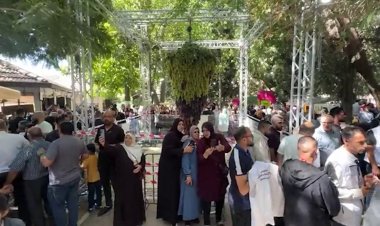
Protests continued nationwide as youth organizers mobilized in cities from Casablanca and Rabat to Marrakech and Agadir, drawing participants mainly born between 1995 and 2010. Demonstrations were described as largely spontaneous and decentralized, coordinated through social media channels rather than established political groups or unions. Organizers such as “Gen Z 212” and “Morocco Youth Voices” urged peaceful action, but clashes with police occurred in multiple locations.
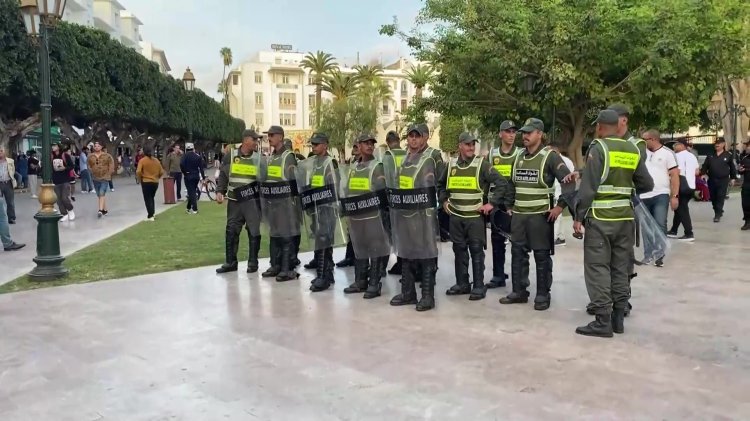
Eyewitnesses and journalists reported security forces—both plainclothes officers and riot units—dispersing crowds, detaining scores of participants and stopping some media reporting from protest sites. The Moroccan Association for Human Rights said some detainees were assaulted and characterized the arrests as part of a wider crackdown on free expression. Authorities have not published full arrest figures; some detainees were reportedly released overnight.
Grievances fueling the unrest focus on long-standing regional inequalities and visible state spending on sporting infrastructure ahead of the 2030 FIFA World Cup co-hosting and other high-profile events. Protesters repeatedly contrasted expensive stadium projects with shortages in public hospitals and schools, citing recent tragedies such as the deaths of eight women in childbirth in Agadir as emblematic of systemic neglect.
Government officials pushed back, with Prime Minister Aziz Akhannouch and other ministers defending reforms and investments in healthcare and pledging hospital construction across regions. After public outcry, the Health Minister removed the director and several officials from the Agadir hospital’s administration. Authorities frame many sectoral problems as inherited, yet demonstrators say structural change is needed beyond personnel changes.
Public health data highlighted by campaigners show Morocco’s shortage of medical staff: about 7.7 professionals per 10,000 people nationally in 2023 and as low as 4.4 per 10,000 in parts of Agadir, far below the WHO’s 25-per-10,000 guideline. Protesters demand not only emergency fixes but sustained investment in staffing, salaries, and rural access.
Analysts say the protests mark a generational shift: a leaderless, digitally organized youth movement calling for accountability, economic opportunity and service improvements. The unrest echoes earlier localized protests that followed the 2023 earthquake and other scandals, suggesting broader dissatisfaction that could reshape public debate if grievances remain unaddressed.