Morocco's election reshapes its government
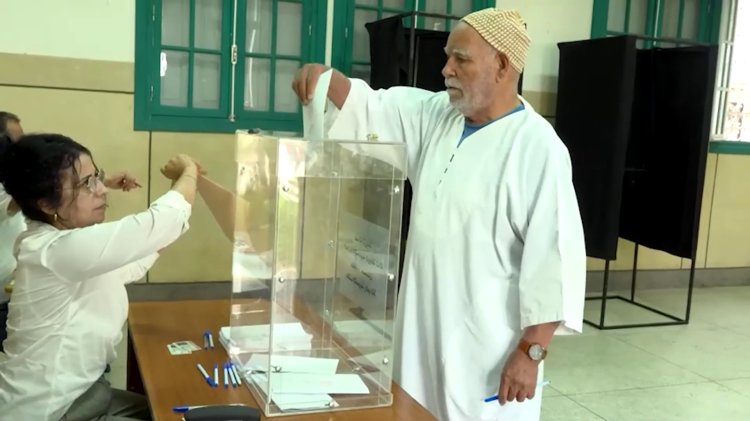
Morocco's September 2021 parliamentary elections reshaped the government, determining the 395-seat House. The National Rally of Independents (RNI) emerged as the dominant force. Led by Aziz Akhannouch, the RNI won 102 seats. The Authenticity and Modernity Party (PAM) followed with 87, and Istiqlal Party with 81 seats. These three parties formed the core of the new coalition government. A historic outcome was the defeat of the Justice and Development Party (PJD), a moderate Islamist party leading the government for a decade. The PJD was reduced to 13 seats from 125, leading to the incumbent prime minister's resignation. King Mohammed VI appointed Aziz Akhannouch, leader of the RNI, as the new Prime Minister. Akhannouch formed the new government, with the cabinet sworn in October 2021 and key positions allocated to technocrats, highlighting the monarchy's ongoing influence. Voter participation increased to 50 percent, up from 43 percent in 2016. This election established the political architecture for the next five years. The new government is expected to lay groundwork for a "new development model" guiding progress until 2035, encompassing economic and social reforms. The 2011 constitutional reforms mandate the king to appoint the prime minister from the winning party. However, the monarch retains substantial formal powers and informal influence over political affairs, including government formation and the ability to disband the legislature. The 2021 election solidified the monarchy's power by placing pro-palace parties and technocrats in dominant governmental roles.