New 'zombie fungi' species found in Mexico
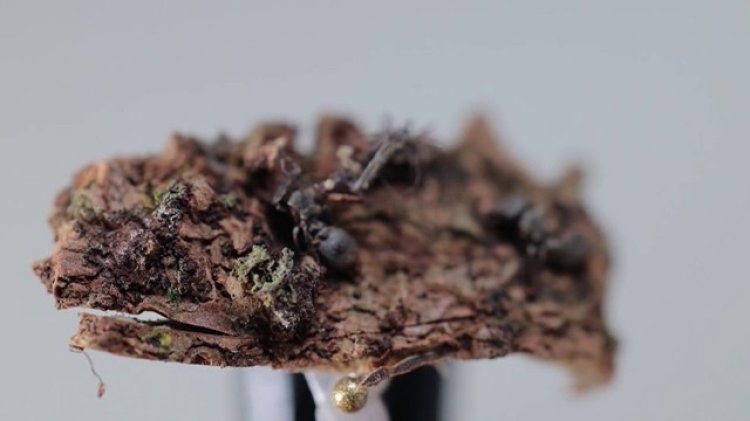
Scientists in Mexico have announced the discovery of six new species of 'zombie fungi' in the tropical forests of Jalisco. Known as entomopathogens, these fungi infect and control insects' behavior, causing their demise. Research led by César Ballesteros from the University of Guadalajara details how these fungi infiltrate an insect's body, producing metabolites that interfere with its nervous system and compel erratic behavior. The infected insect is manipulated to seek out 'cemeteries' – locations with optimal conditions for the fungus to thrive and reproduce. Once there, the insect clings firmly to a substrate before succumbing. The fungus emerges from the carcass, dispersing spores to infect new hosts. One new species, Ophiocordyceps deltoroi, is named for Mexican filmmaker Guillermo del Toro, a Jalisco native and University of Guadalajara alumnus. Known for his fascination with monstrous creatures and fantasy, researchers noted the fungus's appearance and life cycle resemble his fantastical characters. This discovery marks a significant milestone for Mexico, as these are the first Ophiocordyceps unilateralis complex species exclusive to the country, with only one other Cordyceps species previously identified. Beyond insect control, these fungi hold potential for medical research, with components that could be explored for treatments against diseases like cancer and tuberculosis. The fungi's life cycle has even inspired popular culture, notably 'The Last of Us' video game and television series.