West Africa cocoa faces EU deforestation rules
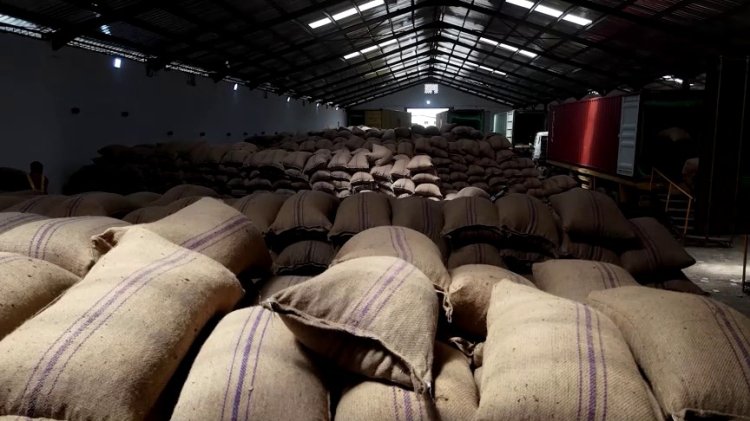
West African cocoa faces significant hurdles meeting new EU anti-deforestation regulations, raising concerns about global supply and potential cost increases. The EU Deforestation Regulation, or EUDR, mandates companies importing cocoa prove products were not cultivated on land deforested after December thirty-first, two thousand twenty. Importers must trace cocoa to specific farm plots via geolocation data, ensuring compliance with producing country laws. West Africa produces about seventy percent of global cocoa, two-thirds destined for the EU. This impacts Côte d'Ivoire, Ghana, and Nigeria, home to hundreds of thousands of small cocoa farmers. Farmers often operate remotely, making traceability and due diligence systems challenging. Compliance is costly and intricate. Exporters must map individual farms, verify historical land use, and maintain digital records. In Côte d'Ivoire, only about half of cocoa can be traced to its origin. Major exporters report spending millions mapping farmland. Industry experts forecast a potential squeeze on EU cocoa supply, possibly for up to two years, leading to higher global prices for cocoa and chocolate. The EUDR, aiming to curb deforestation from imported goods, becomes fully enforceable December thirty-first, two thousand twenty-six. Non-compliant products face market exclusion and companies risk substantial fines, up to four percent of annual EU turnover. The regulation underscores an urgent need for sustainable practices, as Côte d'Ivoire has lost over ninety percent of its forests since nineteen fifty, and Ghana about sixty-five percent.