North Korea opens science exhibition
Event showcases technology for self-reliant growth
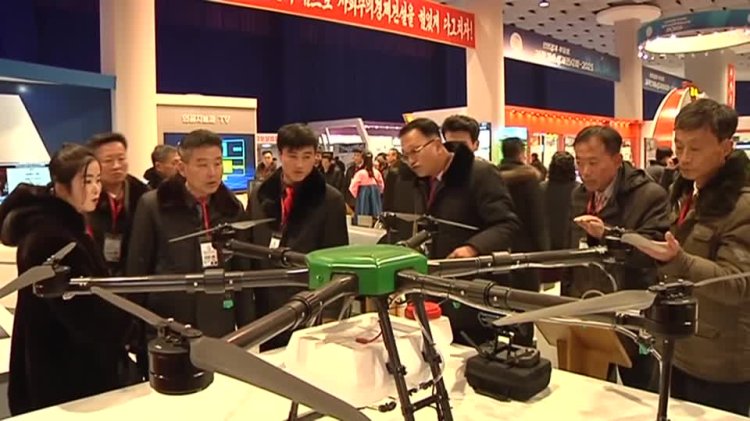
North Korea opened its annual science and technology exhibition in Pyongyang, displaying projects officials say underscore advances in industry, agriculture and information technology and align with state goals of economic self-reliance. Held at a major exhibition complex, the event brought together scientists, engineers, students, university researchers and factory technicians to present prototypes, machinery, automation systems, software applications and agricultural technologies that authorities describe as practical solutions to production challenges amid sanctions and resource constraints.
State media reported hundreds of exhibits from research institutes, universities and factories, highlighting efforts to apply scientific results quickly in production settings. Officials at the opening praised researchers for contributing to national modernization plans and urged closer links between research bodies and manufacturing units. The programme included models, live demonstrations and presentations aimed at improving efficiency, reducing dependence on imports and adapting technologies to local conditions. Students and young specialists were singled out in reports as a target audience, with organised visits intended to inspire careers in science and engineering.
The exhibition serves both practical and symbolic roles for the regime. Practically, it provides a forum for technology transfer within domestic networks and showcases projects that authorities hope can be scaled across factories and farms. Symbolically, it reinforces messaging of resilience and technological independence, portraying progress despite international pressure. Speeches at the opening emphasised innovation, technical discipline and loyalty, framing scientific advancement as integral to national strength and the state’s strategic plans.
Analysts caution that independent verification of the technologies on display is limited; past exhibitions have featured claims of advances in automation, materials science and computing that are difficult to assess externally. Nonetheless, experts note the event’s value in mobilising domestic expertise, encouraging replication of successful projects and signalling priorities to both domestic audiences and foreign observers.
Organised group visits and technical sessions are scheduled throughout the exhibition period, with authorities promoting exchanges intended to strengthen cooperation between research institutions and production units. Officials said the event aims to accelerate the adoption of lab results in factories and farms and to address shortages through homegrown solutions.