

Robot Charlotte aims to rebuild the world
Six-legged 3D printer uses earth to create structures
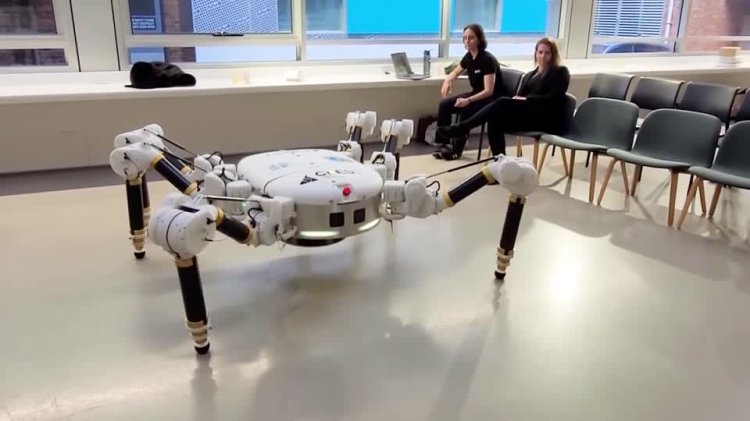
A spider-like, semi-autonomous robot called Charlotte could transform construction on Earth and eventually on the Moon, its developers say. Built by Crest Robotics with Earthbuilt Technology, the six-legged prototype combines robotics and 3D printing to extrude and compress local earth into structural layers, using a membrane to hold material in place rather than cement or fired bricks. Constructed from aluminium, carbon fibre and 3D‑printed plastics, Charlotte’s legs extend over 5.5 metres, enabling it to straddle two-storey walls and print curves, arches and domes that conventional methods struggle to produce.
Named after the character in the children's novel Charlotte's Web, the concept of Charlotte was born from a collaboration between Clyde Webster, founder and CEO of Crest Robotics, and Jan Golembiewski and Jonathon Steggles Mendez, co-founders of Earthbuilt Technology.
“Charlotte and Earthbuilt in particular, the core technology within Charlotte, will be a game changer wherever it goes in the world. It will make construction really, really cheap... And it’ll also make it carbon free,” said Golembiewski, adding that the technology represents a major shift in decarbonising the construction sector
Developers say the Earthbuilt bound‑earth method cuts carbon emissions and costs by using site materials—sand, soil or crushed brick waste—and eliminates the need for heavy frameworks and large labour crews. The team argues the technology could rapidly address housing shortages, build in remote or disaster-affected areas, and reduce the transport and waste footprint of construction. Early demonstrations emphasize speed, design flexibility and resilience; engineers are testing performance across different soils and assessing long‑term structural stability.
Charlotte’s mobility and material‑agnostic approach also make it a candidate for lunar construction, where using in‑situ regolith would minimise payload mass. With backing from New South Wales’ Space+ program, the project seeks partners to integrate the system into existing workflows and scale commercial use. The developers describe the platform as an enabler that can operate beyond human limitations, potentially printing large dwellings quickly and affordably.
Challenges remain: Charlotte is still a prototype and must clear technical hurdles, regulatory approvals, safety standards and supply‑chain integration before widespread adoption. Long‑term durability, soil variability, and certification for building codes will require further testing.