Oil extends gains as Hormuz stays closed; U.S. stocks fall
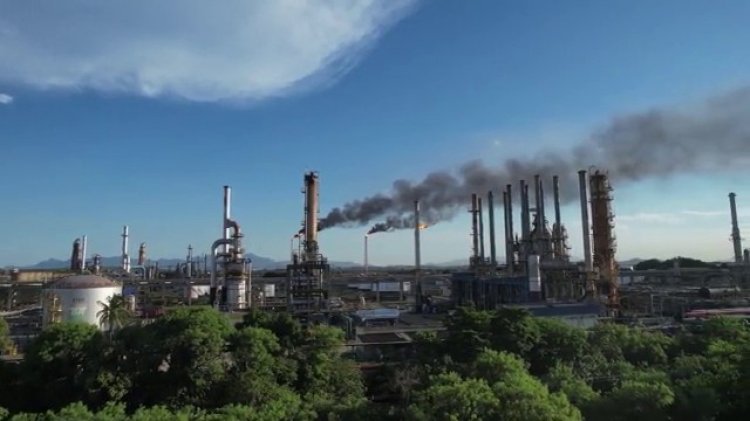
Global oil markets are experiencing significant volatility as Iran keeps the Strait of Hormuz closed. This critical maritime chokepoint connects the Persian Gulf with the Gulf of Oman and the Arabian Sea. The waterway is essential for global energy trade, with about 20.9 million barrels per day (one-fifth of world consumption) transiting through it in the first half of 2025. The closure has contributed to rising crude oil prices. Brent crude futures for October delivery are over 91 dollars per barrel, while US benchmark West Texas Intermediate crude futures for September delivery are above 84 dollars per barrel. This increase in oil prices is fueling concerns about global inflation and a potential economic downturn. Iran will not reopen the Strait until the United States fulfills its commitments under a memorandum of understanding. This agreement, mediated in June, aimed to end hostilities and initiate negotiations for a final peace deal. Tehran's demands include the lifting of blockades, the release of frozen assets, the cessation of oil sanctions, and an end to military operations. The United States military has reportedly established a shipping corridor to facilitate the transport of approximately 10 million barrels of oil per day, roughly half of the pre-closure volume, through a southern channel along the coast of Oman. However, this measure has not fully alleviated market anxieties. The ongoing disruption in the Strait, a route for around 25 percent of the world's maritime oil trade, continues to pose a substantial challenge to global energy security and economic stability.