Oil Prices Edge Higher Amid Geopolitical Risks
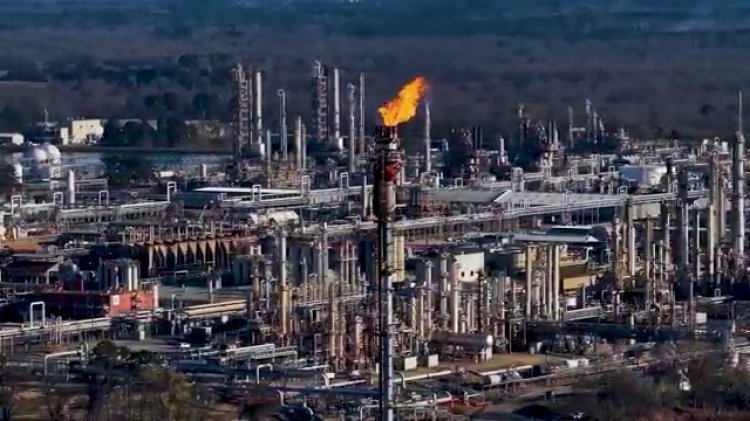
Global oil prices are on an upward trajectory, driven by geopolitical tensions and concerns regarding stability and availability of global oil supplies. Investors monitor developments in major oil-producing areas, as disruptions could have economic effects. The market is susceptible to volatility, reflecting a premium hedging against supply shocks. Analysts cite conflicts, political instability, and new sanctions, contributing to heightened risk perception. Energy security is paramount, but reliance on traditional oil supplies keeps the market vulnerable to geopolitical shifts. Gradual demand recovery as economic activity picks up worldwide is tightening the market balance. Resurgence, combined with supply-side anxieties, cultivates a bullish sentiment. OPEC+ remains central to managing global supply. Their upcoming policy decisions are anticipated, as changes in production quotas or output levels could significantly impact price trajectories. Macroeconomic conditions influence oil prices. Inflationary pressures, central bank interest rate policies, and the US dollar's strength contribute. A weaker dollar stimulates demand, while elevated interest rates might curb it. This interplay creates a dynamic and unpredictable market. Oil prices remain contingent on evolving geopolitical situations; de-escalation could moderate prices, while instability could push them higher. The market is pricing in a risk premium, indicating ongoing volatility. Energy companies prioritize resilience, and consumers face increased fuel prices. This highlights vigilance in a global energy market.