Peru’s new president faces protests
José Jerí takes office amid unrest after Boluarte’s ouster
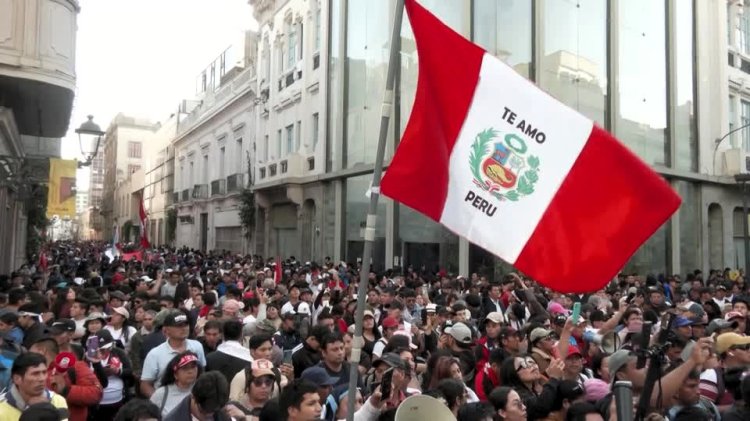
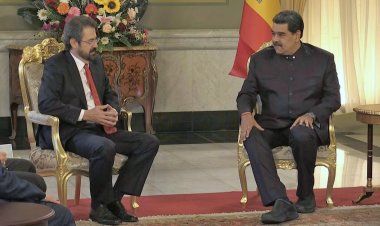
Newly installed President José Jerí met a marching local mayor in Lima as widespread protests continued amid political turmoil following the abrupt impeachment of his predecessor. Aldo Marinos, mayor of Pataz, who walked to the capital to demand greater investment for La Libertad region, was received at the Government Palace while crowds of supporters and opponents, including large numbers of young demonstrators, gathered nearby.
Jerí assumed the presidency after Congress removed Dina Boluarte by a near‑unanimous vote that cited “permanent moral incapacity,” deepening a period of instability that has seen multiple presidents since 2021. Boluarte left office with extremely low public approval and faced accusations ranging from corruption to responsibility for deadly repression of protests in 2023. Jerí, a Somos Perú member, takes office six months before the 2026 elections and inherits a country beset by rising crime, social unrest and profound inequality.
The new president faces immediate political and legal challenges. He has been accused of sexual assault—a case later archived by prosecutors—and faces media allegations of soliciting payments from companies, which he denies while pledging cooperation with investigations. His first official actions included meetings with military and police commanders and prison inspections, signaling an early focus on security and public order.
Labor unrest and mass mobilizations have intensified: recent nationwide strikes by health workers and repeated transport sector stoppages have disrupted services, while youth‑led “Gen Z” protests and other demonstrations continued despite some union decisions to suspend planned actions. Political analysts and activists warned the congressional changeover does little to address underlying grievances tied to inequality, alleged corruption, and demands for social and political reform.
Opposition to Jerí centers on perceptions that Congress—which is dominated by right‑wing parties and business interests—remains the true locus of power and that the presidential change was engineered to protect elite economic interests ahead of elections. Critics also accuse the new administration of adopting a hardline “law and order” posture and of seeking to emulate repressive models elsewhere.