

Petereit and Barlow lead Rebelle Rally start
Team 129 scores 98% on first stage of all-women off-road event in Nevada
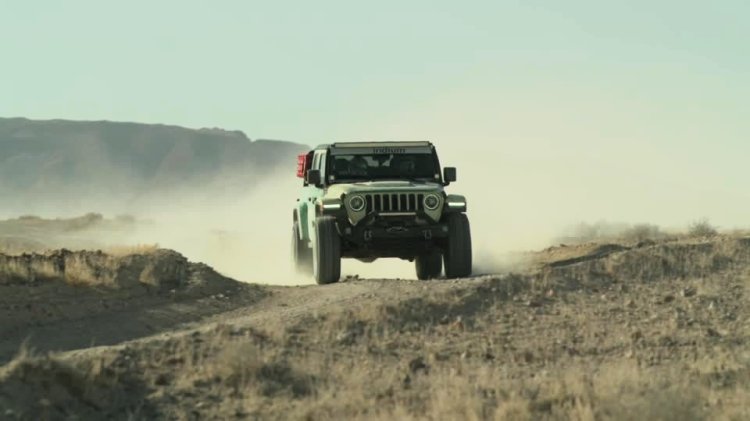
Three-time 4x4 champions Teralin Petereit and Nena Barlow (Team 129) opened the Rebelle Rally with a near‑perfect performance, claiming 98% of available points on the first competition day. The 214‑kilometre stage across Nevada ran along the southern edge of a vast dry lake bed before climbing into the Weepah Hills west of Tonopah, testing crews with mixed surfaces, route‑finding challenges and endurance driving.
The Rebelle Rally is an all‑women navigation and endurance event that spans roughly 1,800 miles over remote deserts, mountain passes and forested terrain. Its format emphasizes precision navigation over speed: teams must reach designated waypoints using only maps, a compass and a printed roadbook, with GPS and other electronic navigation aids strictly banned. Competitors drive modified SUVs, trucks and off‑road vehicles and face time windows at checkpoints; navigational mistakes and missed waypoints incur penalties that affect standings.
Self‑sufficiency is integral to the challenge. Crews are required to perform field repairs, manage recovery equipment and ration supplies while maintaining route planning and team coordination. The rally combines motorsport competition with practical skills development—organizers provide pre‑event workshops covering navigation techniques, vehicle mechanics and wilderness safety to prepare newcomers and seasoned entrants alike.
Beyond competition, the Rebelle Rally positions itself as a platform for empowerment and storytelling. Media coverage often highlights the diverse profiles of participants—engineers, medical professionals, entrepreneurs and parents—underscoring the event’s role in promoting women’s participation in off‑road and adventure motorsport. Teamwork, problem‑solving and resilience are showcased as much as lap times or stage points.
Safety infrastructure supports the remote route. Organizers deploy safety crews, medical teams and drone monitoring along the course, and emergency GPS trackers are used strictly for rescues and incident response. These measures aim to balance the rally’s rugged, exploratory spirit with rapid aid capability when needed.
With a week of stages ahead—including demanding segments through the Sierra Nevada and the Mojave Desert that will expose teams to significant elevation changes, heat and technical terrain—the field faces sustained navigational and mechanical tests.