Senegal hosts challenging Dakar-Gorée swim
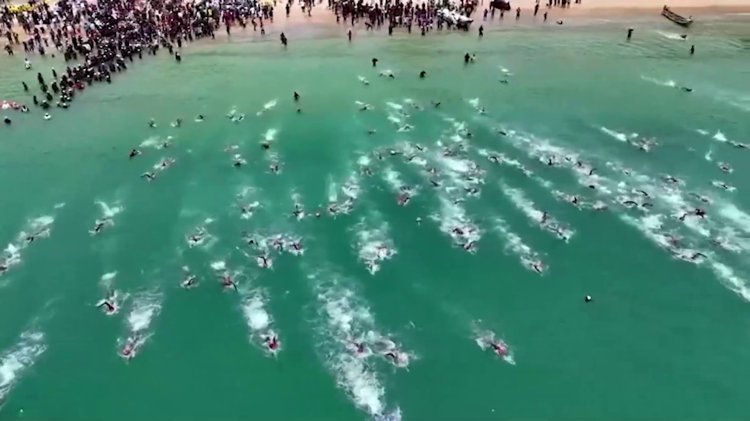
Over 900 participants completed the challenging Dakar-Gorée crossing in Senegal, a historically significant annual event. They braved unsettled Atlantic waters, covering 4.5 to 5.2 kilometers. The open ocean stretch presents a formidable test. The race starts in Dakar and concludes on Gorée Island, a UNESCO World Heritage Site, renowned for its profound historical importance as a memorial to the transatlantic slave trade. This swim is a powerful act of remembrance. Gorée Island was a central hub for the transatlantic slave trade from the 15th to the 19th centuries, a significant departure point for millions. The infamous House of Slaves, with its 'Door of No Return', stands as a stark monument to this dark chapter. Enslaved Africans attempted perilous swims toward the mainland to escape their plight. Few survived the strong currents and perils of the sea, yet their acts of defiance are immortalized. The annual crossing honors their courage and resilience, connecting past suffering with present resolve. Swimmers contend with shifting currents, powerful waves, and profound fatigue. Despite these challenges, diverse participants from many nations foster solidarity and reconciliation, swimming together in a shared tribute. The event has grown significantly since its inception in 1985. Arrival at Gorée Island is met with deep emotion and celebration, as swimmers are welcomed with applause, music, and cultural performances, signifying triumph and shared humanity. This event is a poignant reminder of history, celebrating the human spirit and inspiring new generations. The Dakar-Gorée crossing remains a highlight on Senegal's sporting calendar, drawing global attention to its message of remembrance, resilience, and hope.