South Korea holds snap presidential vote
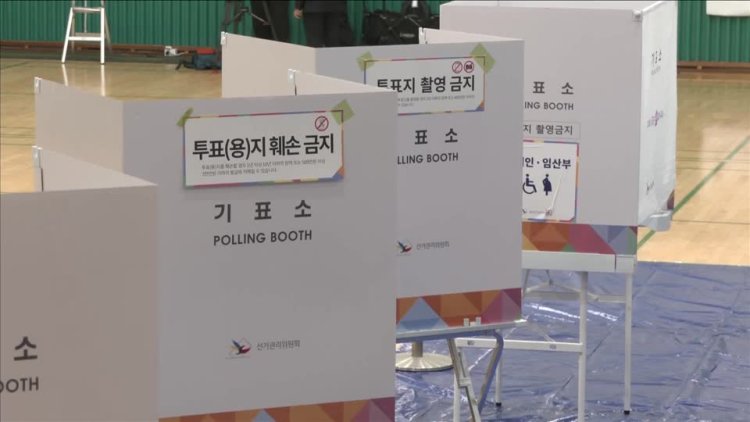
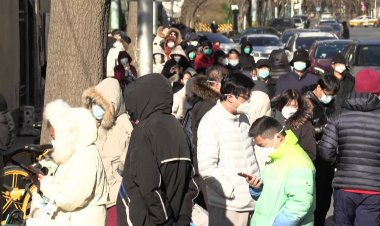
South Korea held a crucial snap presidential election in Seoul amid a drive to boost the economy and restore political stability after months of turmoil. This decisive vote follows the impeachment and removal of former President Yoon Suk Yeol, whose brief martial law declaration in December 2024 sparked a constitutional crisis that led to rebellion charges and political instability. With elections marking the first test after these dramatic events, over a third of South Korea’s 44.39 million eligible voters.
The National Election Commission is expected to announce the results, with the winner poised to be inaugurated within hours. The new president, who will serve a five-year term, is anticipated to inherit significant challenges including an economic slowdown, complicated relations with the United States, and the persistent threat from North Korea’s nuclear ambitions.
The campaign has been intensely focused on economic recovery and instituting constitutional reforms aimed at curbing presidential powers and restoring political stability. Liberal frontrunner Lee Jae-myung, a former governor and staunch critic of conservative policies, emphasizes economic reform, pragmatic foreign policy, and cautious engagement with North Korea. His platform also stresses gender equality reforms, garnering endorsements from prominent feminist leaders. In contrast, conservative candidate Kim Moon-soo, a former labor minister, has centered his campaign on economic issues and veterans' affairs, despite facing internal party challenges.
The election, held within the constitutionally mandated 60-day period following the presidential vacancy, is broadly regarded as a referendum on the resilience of South Korea’s democracy in the face of recent political crises. With turnout soaring to 65.5% by midday, the electorate’s engagement underscores the country’s demand for decisive leadership amidst a period of uncertainty and reform.